The Truth About Open Houses: Why They Still Matter in Today's Real Estate Market
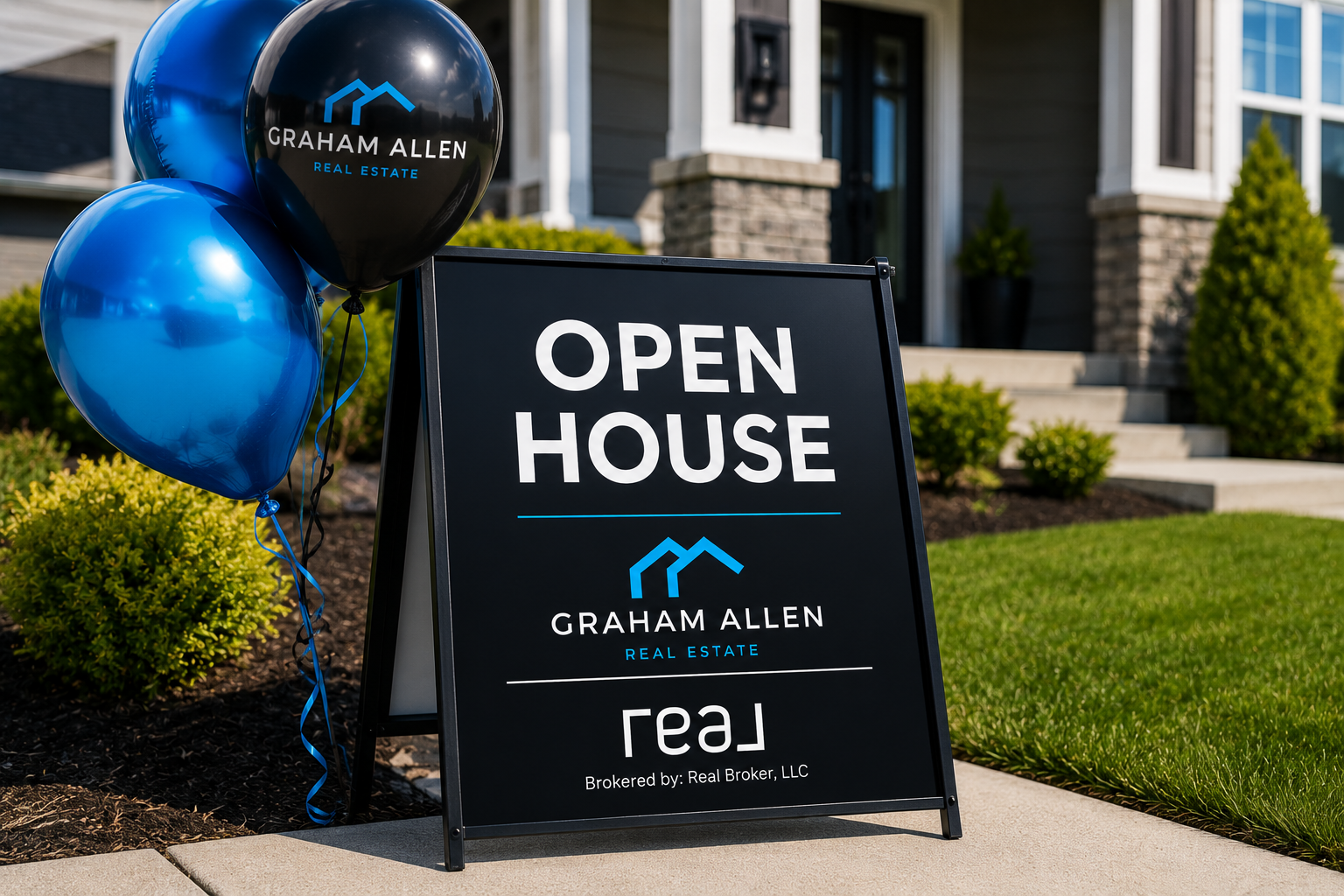
One of the most common questions sellers ask is:
"Do open houses actually work?"
It's a fair question.
Many homeowners assume an open house is only successful if the buyer who ultimately purchases the property walks through the front door during the event itself.
The reality is much different.
While that occasionally happens, the true value of an open house extends far beyond finding an immediate buyer. In today's real estate market, open houses remain one of the most effective tools for increasing exposure, generating interest, gathering buyer feedback, and creating momentum around a listing.
When properly marketed and strategically executed, an open house can play a significant role in helping a home sell.
Let's take a closer look at why.
Open Houses Create Maximum Exposure
The goal of any real estate marketing strategy is simple:
Get as many qualified buyers to see the property as possible.
Every additional set of eyes on your home increases the chances of finding the right buyer.
An open house creates an opportunity for buyers who may not be ready to schedule a private showing but are interested enough to stop by and take a look.
Many buyers begin their search casually. They attend open houses before they're fully committed to making a move.
That doesn't mean they're not potential buyers.
Some visitors may become serious buyers weeks later. Others may know someone looking to move into the area and share the listing with friends or family.
The more exposure your home receives, the better.
Not Everyone Who Walks Through Is a Buyer—And That's Okay
One of the biggest misconceptions about open houses is that every visitor needs to be a qualified buyer.
That's simply not true.
Open houses often attract:
-
Active buyers
-
Future buyers
-
Neighbors
-
Relocating families
-
Investors
-
Buyers working with agents
-
Buyers not yet represented
Each visitor provides value.
Neighbors frequently become some of the best marketers for a property. They may have friends, family members, coworkers, or acquaintances interested in moving into the neighborhood.
Many homes have sold because a neighbor attended an open house and later referred the eventual buyer.
Open Houses Generate Valuable Feedback
Feedback is one of the most valuable tools sellers have during the listing process.
Buyers often provide honest opinions during open houses that they may not communicate elsewhere.
Comments commonly reveal:
-
Price concerns
-
Layout preferences
-
Condition issues
-
Staging opportunities
-
Features buyers love
-
Areas causing hesitation
This information can help sellers make informed decisions regarding pricing, presentation, and marketing strategy.
Without feedback, sellers are often left guessing why a property isn't generating offers.
An open house creates opportunities to gather real-time insights directly from the market.
Open Houses Create Urgency
Psychology plays a significant role in real estate.
Buyers often become more interested in a property when they see other people interested in it.
Imagine arriving at an open house and seeing several groups touring the home.
What does that communicate?
Demand.
When buyers perceive demand, they are more likely to act quickly.
This doesn't mean creating artificial pressure.
It simply means allowing buyers to witness genuine interest from other potential purchasers.
Open houses naturally create an environment where buyers understand they may not be the only person considering the property.
They Support Your Online Marketing Efforts
Today's home search begins online.
However, online marketing and open houses work together rather than competing with each other.
A properly marketed open house creates:
-
Social media engagement
-
Increased website traffic
-
More listing views
-
Additional inquiries
-
Greater online visibility
Many buyers first discover a property online and then decide to attend the open house.
Likewise, buyers who attend an open house often return to the listing online afterward to review photos, details, and pricing.
The combination of digital marketing and in-person exposure is extremely powerful.
Open Houses Can Attract Buyers Without Agents
While many buyers work with real estate professionals, some begin their search independently.
Open houses provide an opportunity for these buyers to experience the home in a relaxed setting.
Many buyers feel more comfortable attending an open house than scheduling a private showing.
This expanded accessibility helps maximize exposure and introduces the property to a broader audience.
Sellers Gain Market Intelligence
An open house doesn't just benefit buyers.
It benefits sellers as well.
Attendance numbers, buyer reactions, questions, and feedback all provide valuable information about how the market is responding to the property.
For example:
If attendance is strong but offers aren't coming in, pricing may need adjustment.
If buyers consistently comment on a specific feature, staging changes may help.
If visitors love the home and feel it's priced appropriately, sellers gain confidence that their marketing strategy is working.
Every interaction provides useful information.
What Makes an Open House Successful?
A successful open house involves much more than placing directional signs around the neighborhood.
Preparation matters.
Some of the most important elements include:
Professional Marketing
The event should be promoted through:
-
Social media
-
Real estate websites
-
Agent networks
-
Email campaigns
-
Community outreach
Proper Home Preparation
The property should be:
-
Clean
-
Decluttered
-
Well-lit
-
Comfortable
-
Professionally presented
Strategic Timing
Choosing the right day and time can significantly impact attendance.
Experienced Hosting
An experienced agent understands how to engage visitors, answer questions, gather feedback, and create a positive experience.
Common Open House Myths
Myth #1: Open Houses Don't Sell Homes
While the eventual buyer may not always attend the open house directly, the exposure generated by the event often contributes significantly to the sale.
Myth #2: Only Serious Buyers Matter
Future buyers, neighbors, and referrals all create value.
Myth #3: Open Houses Are Outdated
Modern open houses are supported by social media, online advertising, email marketing, and digital promotion.
Today's open houses are more integrated into overall marketing strategies than ever before.
Why We Continue to Host Open Houses
At the Graham Allen Group, we view open houses as one piece of a comprehensive marketing strategy.
They're not designed to replace professional photography, digital advertising, agent networking, or pricing expertise.
Instead, they enhance those efforts.
Every visitor creates additional exposure.
Every conversation provides valuable feedback.
Every open house creates another opportunity to connect the right buyer with the right home.
Final Thoughts
The true value of an open house isn't measured solely by whether an offer is written during the event.
Its value comes from the visibility, momentum, feedback, and opportunities it creates.
In real estate, exposure matters.
The more qualified people who see your home, the greater your chances of achieving a successful sale.
That's why open houses continue to play an important role in modern real estate marketing.
If you're considering selling your home and want to learn more about how open houses fit into a comprehensive marketing plan, the Graham Allen Group would be happy to help.
Recent Posts