What Is Earnest Money and Do You Get It Back?

If you're buying a home, you'll likely hear the term "earnest money" early in the process. While it may sound complicated, earnest money is actually a simple concept that plays an important role in nearly every real estate transaction.
Understanding how earnest money works can help buyers feel more confident when submitting an offer and avoid unnecessary surprises along the way.
What Is Earnest Money?
Earnest money is a deposit a buyer makes after an offer is accepted to show they are serious about purchasing the home.
Think of it as a good faith deposit.
The money is typically held in an escrow account by a neutral third party until closing.
How Much Is Earnest Money?
The amount varies depending on your local market, purchase price, and the terms of your offer.
Your real estate agent can help you determine an appropriate amount that makes your offer competitive while protecting your interests.
What Happens to the Money at Closing?
In most successful transactions, you don't lose your earnest money.
Instead, it's typically applied toward your down payment or closing costs when you purchase the home.
It's simply one part of the funds you're already planning to bring to closing.
Can You Get Your Earnest Money Back?
Often, yes.
Most purchase contracts include contingencies that protect buyers if certain conditions aren't met.
Depending on your contract, you may be able to receive your earnest money back if:
-
The home inspection reveals significant issues.
-
Financing cannot be obtained despite good faith efforts.
-
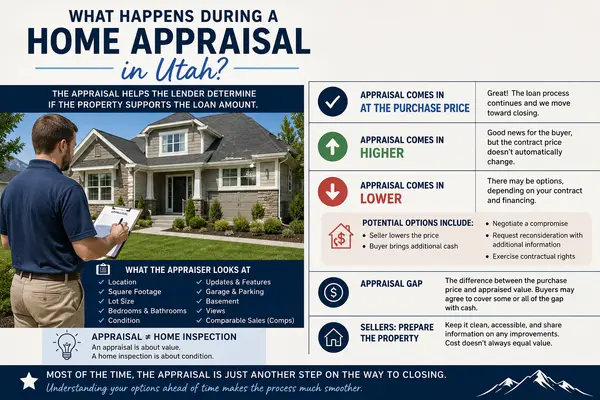
The appraisal comes in lower than agreed upon and negotiations fail.
-
Other contract contingencies aren't satisfied.
The specific terms depend on the purchase agreement and the deadlines outlined in the contract.
When Could You Lose Earnest Money?
Earnest money is designed to protect both buyers and sellers.
A buyer may risk losing the deposit if they back out of the purchase for a reason not allowed under the contract or miss important contractual deadlines.
This is why it's so important to work closely with your real estate agent throughout the transaction.
Why Sellers Like Earnest Money
From a seller's perspective, earnest money provides reassurance that the buyer is committed to completing the purchase.
A stronger earnest money deposit can sometimes make an offer more attractive, especially when multiple offers are being considered.
However, a larger deposit doesn't automatically mean it's the best offer. Financing strength, contingencies, and closing timelines all play a role.
Communication Is Key
The best way to protect your earnest money is by understanding your contract, meeting all required deadlines, and communicating with your real estate agent throughout the process.
Good guidance helps prevent misunderstandings and keeps your transaction moving smoothly.
A Small Deposit With a Big Purpose
Earnest money isn't an extra fee or money that disappears.
It's simply a good faith deposit that demonstrates your commitment to purchasing a home while helping create trust between buyers and sellers.
If you're planning to buy or sell a home in Northern Utah or anywhere along the Wasatch Front, we'd be happy to walk you through every step of the transaction so you understand exactly how earnest money and every other part of the process works.
Recent Posts