
The Biggest Mistakes First-Time Home Buyers Make (and How to Avoid Them)

Buying your first home is one of the most exciting milestones in life. It can also feel overwhelming. Between mortgage options, home searches, inspections and paperwork, there's a lot to learn in a short amount of time.
The good news is that most first-time buyer mistakes are completely avoidable with the right guidance. Knowing what to expect before you begin can save you time, money and unnecessary stress throughout the home buying process.
If you're planning to buy your first home in Utah, here are some of the biggest mistakes buyers make and how you can avoid them.
1. Starting the Home Search Before Getting Pre-Approved
It's tempting to jump straight into browsing homes online or attending open houses. After all, looking at homes is the fun part.
However, shopping before speaking with a lender can create disappointment if you fall in love with a home that's outside your budget.
A mortgage pre-approval gives you a clear understanding of what you can comfortably afford and shows sellers that you're a serious buyer. In competitive markets, many sellers won't even consider offers from buyers who haven't been pre-approved.
Starting with a lender allows you to shop confidently and focus only on homes that fit your financial goals.
2. Focusing Only on the Monthly Payment
Many buyers ask, "What will my monthly payment be?" While that's an important question, it's not the only one.
Owning a home comes with additional expenses beyond the mortgage payment, including property taxes, homeowners insurance, utilities, maintenance and possible HOA fees.
Understanding the total cost of homeownership helps you create a realistic budget and avoid financial surprises after closing.
A comfortable payment isn't just one you qualify for. It's one that still allows you to enjoy your lifestyle and save for the future.
3. Draining Your Savings for the Down Payment
Many first-time buyers believe they should put every available dollar toward their down payment.
While a larger down payment can reduce your monthly payment, it's equally important to have money set aside for closing costs, moving expenses and unexpected repairs after you move in.
Having an emergency fund provides peace of mind during your first months as a homeowner.
Buying a home shouldn't leave your savings account empty.
4. Opening New Credit Accounts Before Closing
This is one of the most common mistakes lenders see.
After getting pre-approved, some buyers finance furniture, purchase a new car or open new credit cards before closing.
Even small changes to your credit profile can affect your mortgage approval.
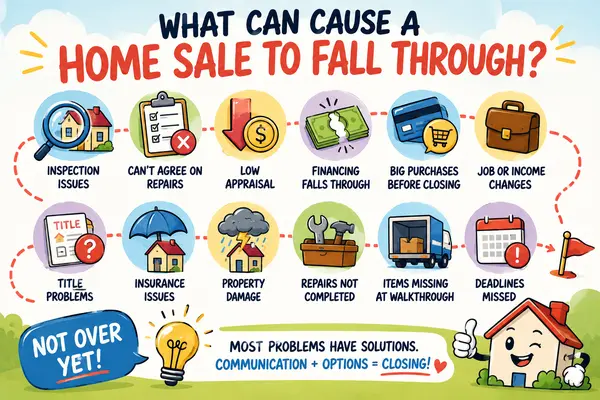
Until you've officially closed on your home, it's best to avoid opening new lines of credit, making large purchases or changing jobs unless you've discussed it with your lender.
Keeping your financial situation stable helps ensure a smooth closing.
5. Skipping the Home Inspection
Some buyers consider waiving an inspection to make their offer more competitive.
While every situation is different, skipping a home inspection can expose you to expensive repairs that may not be visible during a showing.
A professional inspection helps identify potential issues with the home's structure, roof, plumbing, electrical systems, heating and cooling equipment and more.
The inspection isn't designed to scare buyers away. It's designed to give you confidence by helping you understand exactly what you're purchasing.
6. Letting Emotions Override Your Budget
Buying your first home is emotional.
It's easy to become attached to a beautiful kitchen or an incredible backyard and convince yourself to spend more than you originally planned.
Before you begin shopping, establish a comfortable budget and stick to it.
There will always be another home.
Buying within your means helps ensure your home remains a source of happiness rather than financial stress.
7. Overlooking the Neighborhood
You're not just buying a house.
You're buying the surrounding community as well.
Take time to explore the neighborhood during different times of day. Consider your commute, nearby parks, schools, shopping, restaurants and future development plans.
The perfect house in the wrong location may not feel so perfect after you've lived there for a few months.
Choosing the right neighborhood is just as important as choosing the right home.
8. Thinking Every Home Needs to Be Perfect
Many first-time buyers spend months waiting for a home that checks every single box.
In reality, very few homes are perfect.
Instead of focusing on cosmetic details like paint colors or light fixtures, pay attention to the home's layout, location and overall condition.
Many cosmetic updates can be completed over time.
The goal is finding a home that fits your needs, not one that's flawless from day one.
9. Trying to Navigate the Process Alone
Buying a home involves contracts, negotiations, inspections, deadlines and dozens of important decisions.
Having an experienced real estate professional by your side means you'll have someone advocating for your best interests every step of the way.
Your agent can help you understand the market, negotiate favorable terms, explain each stage of the process and answer questions that inevitably come up along the way.
The right guidance can make buying your first home feel much less overwhelming.
10. Forgetting That Buying a Home Is a Long-Term Investment
It's easy to focus only on today's needs.
Instead, think about where you'll be in the next three to five years.
Will the home still work if your family grows?
Is there enough space for a home office?
Will the neighborhood continue meeting your needs?
Buying with the future in mind can help you avoid outgrowing your home sooner than expected.
A home is more than a purchase. It's an investment in your future.
Final Thoughts
Every first-time home buyer feels nervous. That's completely normal.
The good news is that you don't have to figure everything out on your own.
By getting pre-approved, understanding your budget, keeping your finances stable and working with an experienced real estate professional, you'll avoid many of the common mistakes that first-time buyers face.
Buying your first home should be exciting, and with the right preparation, it can be one of the most rewarding experiences of your life.
If you're thinking about buying your first home in Utah, the Graham Allen Group is here to answer your questions, explain each step of the process and help you find a home that fits your goals. We'd love to help you take that first step toward homeownership.
Recent Posts