
What Is a Home Appraisal? Here's Why It Matters When Buying or Selling a Home

Whether you're buying your first home or preparing to sell, you've probably heard the term home appraisal.
But what exactly is an appraisal, and why does it matter?
Many people assume that once a buyer and seller agree on a purchase price, the transaction is complete.
In reality, there's still an important step that can affect the sale: the appraisal.
Understanding how home appraisals work can help both buyers and sellers feel more confident throughout the real estate process.
What Is a Home Appraisal?
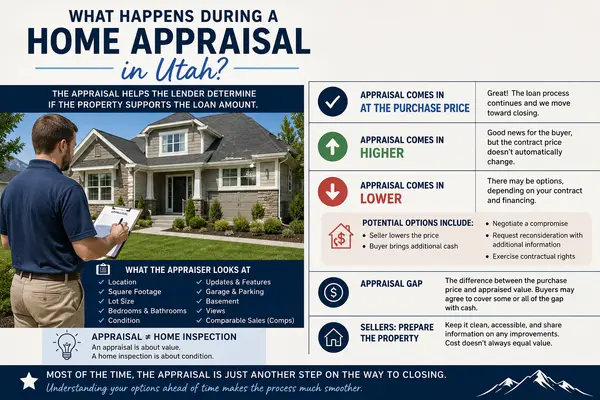
A home appraisal is an independent opinion of a property's market value.
If a buyer is financing the purchase with a mortgage, the lender will typically require an appraisal before approving the loan.
The reason is simple.
The lender wants to verify that the home is worth what the buyer has agreed to pay because the property serves as collateral for the mortgage.
An appraisal helps protect the lender while also providing an objective evaluation of the home's value.
How Is a Home Appraisal Determined?
An appraiser doesn't simply walk through the home and assign a number.
Instead, they evaluate several factors, including:
-
Recent comparable home sales
-
Square footage
-
Floor plan and layout
-
Overall condition
-
Upgrades and renovations
-
Lot size
-
Neighborhood and location
-
Current market conditions
By comparing your home to similar properties that have recently sold, the appraiser develops an opinion of fair market value.
What Happens If the Home Appraises at Value?
This is the outcome buyers, sellers, and lenders hope for.
If the appraisal comes in at or above the agreed-upon purchase price, the transaction usually moves forward without issue.
The lender has confirmed the property's value, financing can continue, and everyone moves one step closer to closing.
What Happens If the Appraisal Comes in Low?
A low appraisal can be stressful, but it doesn't automatically mean the sale is over.
It simply means the lender is only willing to finance the home based on the appraised value rather than the contract price.
Depending on the situation, several options may be available:
-
The buyer and seller may renegotiate the purchase price.
-
The buyer may bring additional cash to closing.
-
The parties may request a review if they believe important comparable sales or property information were overlooked.
-
Depending on the contract terms, the transaction may be canceled.
Every situation is unique, which is why experienced guidance throughout the transaction is so valuable.
Can Sellers Prepare for a Home Appraisal?
While sellers can't control the final appraised value, they can help the appraiser understand the home's condition and improvements.
Before the appraisal appointment, consider:
-
Cleaning and organizing the home
-
Completing agreed-upon repairs
-
Providing a list of recent upgrades and renovations
-
Making the home easily accessible
Items such as a new roof, updated HVAC system, remodeled kitchen, or energy-efficient improvements may not always be immediately visible, so documenting those upgrades can be helpful.
Why Pricing Your Home Correctly Matters
One of the best ways to reduce appraisal issues is by pricing your home strategically from the beginning.
A price based on recent comparable sales and current market conditions is more likely to attract buyers and be supported by the appraisal.
That's one reason pricing strategy is such an important part of selling a home.
An unrealistic list price can create challenges not only when attracting buyers but also later in the transaction if the home doesn't appraise for the agreed purchase price.
Selling or Buying a Home in Utah? Understand the Appraisal Process
Whether you're buying or selling a home in Salt Lake County, Davis County, Weber County, Utah County, or anywhere along the Wasatch Front, understanding the appraisal process can help you navigate your transaction with confidence.
Most appraisals move through the process without any issues.
When challenges do arise, knowing your options can help everyone work toward a successful outcome.
Frequently Asked Questions
What is a home appraisal?
A home appraisal is an independent estimate of a property's market value, typically required by a lender before approving a mortgage.
Who pays for the home appraisal?
In most real estate transactions, the buyer pays for the appraisal as part of their closing costs, although this can vary depending on the terms of the contract.
Can a home sale fall through because of a low appraisal?
Yes. If the home appraises for less than the purchase price and the buyer and seller cannot reach an agreement, the transaction may not move forward.
Can a seller challenge a low appraisal?
In some situations, yes. If important comparable sales or property information were overlooked, the parties may request a reconsideration of value through the lender.
Thinking About Buying or Selling a Home?
Whether you're purchasing your first home or preparing to sell your current one, understanding the appraisal process is an important part of a successful transaction.
At Graham Allen Group, we help buyers and sellers navigate every step of the process with clear communication, thoughtful strategy, and expert guidance.
If you have questions about home appraisals or any part of buying or selling a home in Utah, we'd be happy to help.
Recent Posts