How Much Are Closing Costs When Buying a Home in Utah?
When you're saving to buy a home in Utah, the down payment tends to get most of the attention.
But there's another expense buyers need to prepare for: closing costs.
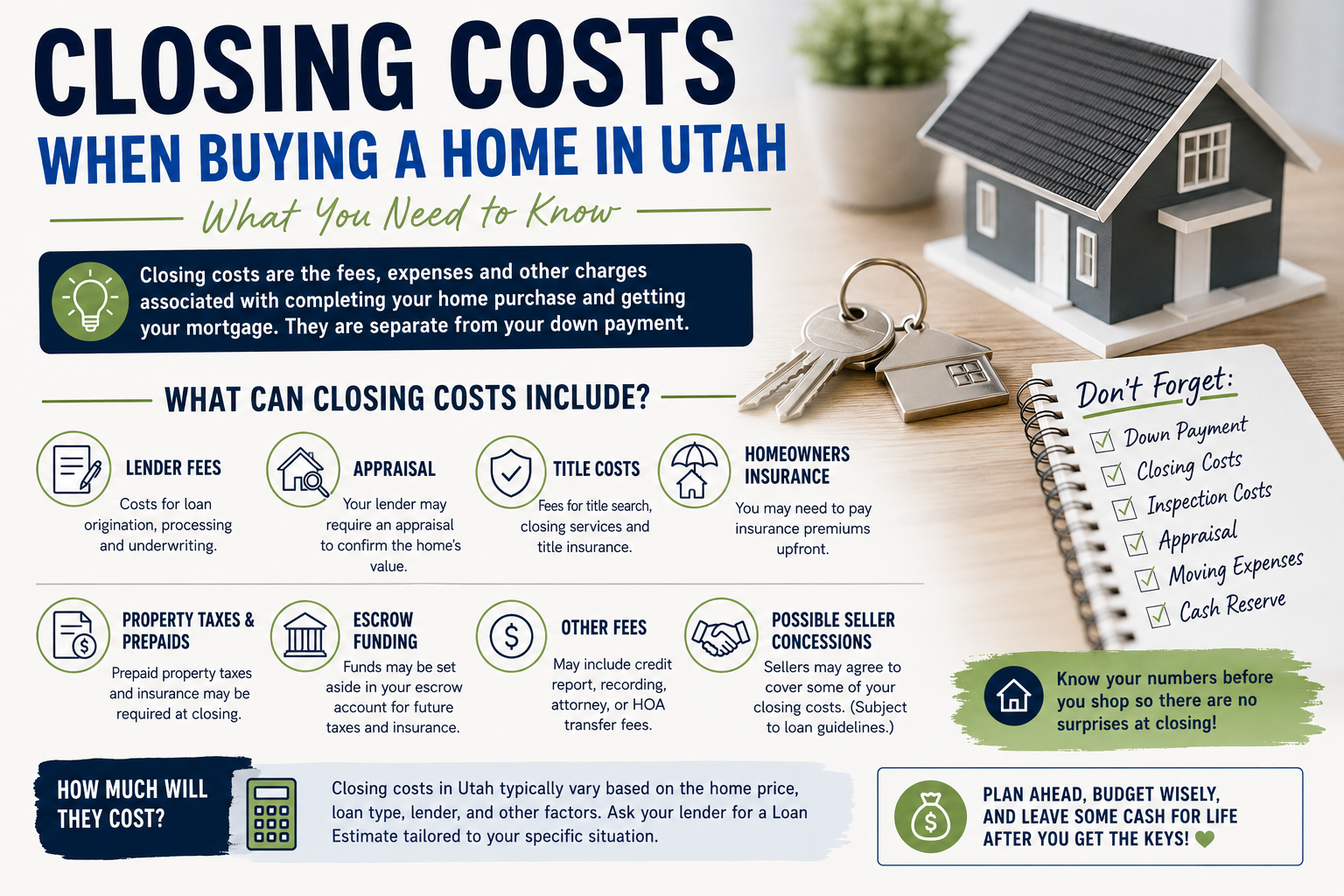
Closing costs are separate from your down payment and can include several expenses associated with your mortgage and the purchase of your home.
Knowing about these costs before you start shopping can help you create a more realistic home buying budget and avoid an unpleasant surprise right before closing.
What Are Closing Costs?
Closing costs are the various fees, prepaid expenses and other charges associated with completing a real estate transaction and obtaining a mortgage.
Exactly what you'll pay depends on your loan, lender, property and individual transaction.
Your lender and title company can provide estimates based on your specific purchase.
How Much Should Utah Buyers Expect to Pay?
There isn't one closing cost amount that applies to every Utah home purchase.
Your total can vary based on factors such as:
- Purchase price
- Loan amount
- Loan program
- Lender
- Interest rate choices
- Property taxes
- Homeowners insurance
- Title related charges
- Prepaid expenses
- Terms negotiated with the seller
Rather than relying on a generic percentage from an online calculator, ask your lender for an estimate based on your actual financing scenario.
That gives you a much more useful number for planning.
What Do Buyer Closing Costs Include?
Closing costs aren't one single fee.
They're a collection of expenses that may come from several different parts of the transaction.
Let's look at some of the most common ones.
Lender Fees
If you're obtaining a mortgage, there may be fees associated with originating and processing the loan.
Your lender should provide disclosures explaining the costs associated with your financing.
When comparing lenders, don't look only at the advertised interest rate.
Compare the overall loan terms and costs as well.
Appraisal
Your lender may require an appraisal to obtain an independent opinion of the property's value.
Depending on your transaction, the appraisal fee may be paid before the actual closing date rather than at closing.
Either way, it's an expense buyers should know about when preparing their home buying budget.
Title Related Costs
The title process helps verify ownership of the property and identify certain issues that could affect the transfer.
There may be costs associated with title services and title insurance.
Your title company and real estate professional can help explain which title related expenses apply to your transaction.
Homeowners Insurance
If you're financing your home, your lender will generally require homeowners insurance.
You may need to pay certain insurance costs in advance as part of preparing for closing.
Insurance costs can vary significantly depending on the property and coverage.
It's a good idea to obtain insurance quotes before you're sitting at the closing table.
Property Taxes and Prepaid Expenses
Some of the money due around closing may not technically be a fee.
You may need to prepay certain expenses or fund an escrow account for future property taxes and homeowners insurance.
These amounts depend partly on when you close and how your mortgage is structured.
Are Closing Costs the Same as a Down Payment?
No.
This is an important distinction.
Your down payment is the portion of the purchase price you're paying rather than financing.
Your closing costs are the additional costs associated with completing the transaction and obtaining your loan.
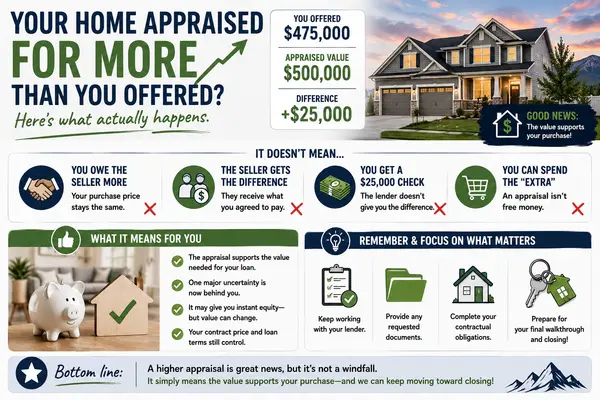
If you're buying a $500,000 home with a $25,000 down payment, that doesn't necessarily mean $25,000 is all the cash you'll need for the transaction.
You need to account for closing costs and other purchase related expenses too.
What About Earnest Money?
Earnest money is also different.
Earnest money is a good faith deposit made according to the terms of your purchase contract.
If the transaction successfully closes, earnest money is generally credited as part of the transaction rather than becoming an additional fee you simply lose.
Your real estate professional and title company can show you how that money is accounted for at closing.
Can a Seller Pay Some of the Buyer's Closing Costs?
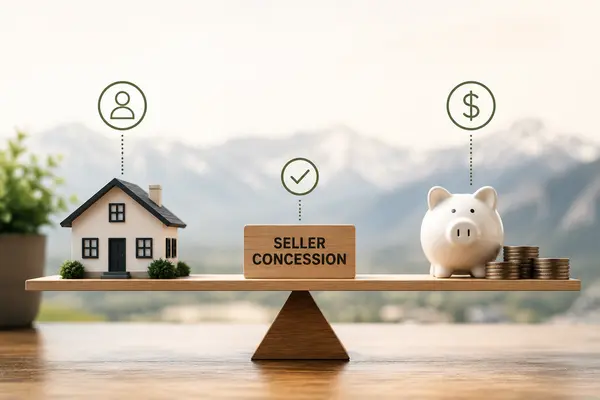
Depending on the transaction and the buyer's financing, a seller may agree to contribute toward certain allowable buyer closing costs.
This is commonly referred to as a seller concession or seller credit.
For example, instead of negotiating only on purchase price, a buyer may ask the seller to contribute a certain amount toward allowable closing expenses.
Whether a seller is willing to do that depends on the market, property and strength of the overall offer.
Loan programs can also place limits or requirements on seller contributions, so your lender should confirm what's permitted for your financing.
Should You Ask for Closing Cost Assistance?
Maybe.
Seller concessions can be especially useful for buyers who have enough income to comfortably handle the monthly mortgage payment but would prefer to keep more cash available after purchasing the home.
However, asking for a seller concession changes the financial terms of your offer.
In a highly competitive situation, another buyer who isn't requesting assistance may present a stronger offer.
Your real estate agent can help you determine whether requesting closing costs makes sense based on the property and current market conditions.
Don't Forget About Expenses Before Closing
Not every home buying expense appears on your final closing statement.
Depending on your transaction, you may pay for certain services earlier in the process.
These could include:
- Home inspection
- Radon testing
- Sewer scope
- Specialized inspections
- Appraisal
- Other property evaluations
These expenses should be part of your overall buying budget even if they aren't technically paid on closing day.
How Can You Avoid Being Surprised at Closing?
Start talking about cash requirements early.
Before you begin seriously shopping for homes, ask your lender:
How much do I need for my down payment?
What are my estimated closing costs?
What other expenses should I expect before closing?
Approximately how much total cash should I plan to have available?
That last question is especially important.
Instead of thinking only about your down payment, think about the entire amount required to get from preapproval to homeownership.
Don't Spend Every Dollar Getting the Keys
Even after accounting for your down payment and closing costs, try to leave yourself some financial breathing room if possible.
Moving into a home comes with expenses.
You may need furniture, window coverings, tools or appliances.
And sometimes things break shortly after you move in because apparently houses have a sense of humor.
Having some savings left after closing can make the transition into homeownership much less stressful.
Know the Numbers Before You Start Shopping
Closing costs shouldn't be something you discover a few days before buying your home.
When you understand your estimated down payment, closing costs, monthly payment and other purchase expenses from the beginning, you can shop with much more confidence.
If you're planning to buy a home in Northern Utah or anywhere along the Wasatch Front, start by building a complete home buying budget rather than focusing on the down payment alone.
Knowing the numbers ahead of time makes it much easier to recognize the right home when you find it.
Categories
Recent Posts