
Buying a Home With an ADU in Utah: What Buyers Need to Know

A home with an accessory dwelling unit can be incredibly appealing to Utah buyers.
Maybe you're looking for a basement apartment that could generate rental income. Maybe you want a private space for aging parents, adult children or guests. Or perhaps you simply like having flexible space that can change as your needs do.
Whatever your plan, there's one important thing to remember:
Just because a home has a second living space doesn't necessarily mean it's a legal ADU.
Before buying a Utah home because of its accessory dwelling unit, there are several things you should investigate.
What Is an ADU?
ADU stands for accessory dwelling unit.
It's an additional residential living space located on the same property as the primary home.
Depending on the property and local requirements, an ADU could be:
- A basement apartment
- A converted portion of the main home
- An apartment above a garage
- An attached addition
- A detached structure
ADUs can provide homeowners with flexibility, but the rules surrounding them matter.
Why Are ADUs Popular With Utah Buyers?
Housing needs change.
An ADU can potentially allow a property to adapt with you.
Some homeowners use them for multigenerational living. Others want additional privacy for guests or older children.
For some buyers, the biggest attraction is the possibility of rental income.
That income could potentially help offset the cost of homeownership, but buyers should be careful about relying on projected rent until they've verified that the unit can legally be used the way they intend.
Don't Assume an Existing Apartment Is Legal
This is one of the most important things buyers need to understand.
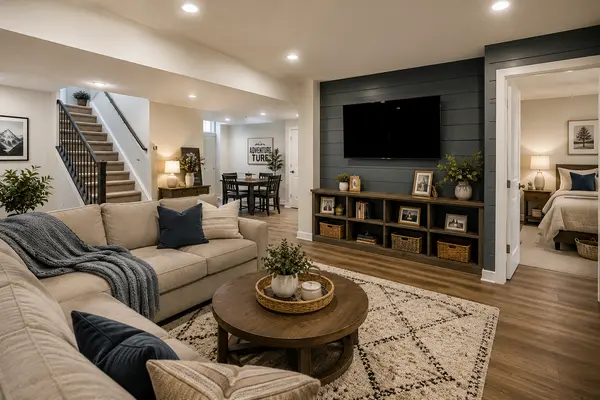
A listing may describe a property as having a basement apartment, mother in law apartment or second kitchen.
That description alone doesn't confirm that the space is legally approved as an ADU or that it can legally be rented.
Before purchasing, investigate the property's zoning, permits and applicable city requirements.
ADU Rules Can Vary by Location
Utah has state laws affecting accessory dwelling units, but local governments may still have requirements governing how ADUs are created and used.
Requirements can vary depending on the municipality and property.
They may involve things such as:
- Property type
- Owner occupancy
- Parking
- Separate entrances
- Building permits
- Fire and safety requirements
- Rental restrictions
- Utility arrangements
- Short term rental restrictions
If an ADU is an important part of your buying decision, verify the current requirements with the appropriate local authority rather than assuming the rules are the same everywhere in Utah.
Check Whether the Work Was Permitted
If a basement or other portion of the property was converted into living space, find out whether permits were required and whether they were obtained.
This can be particularly important when the space includes electrical work, plumbing, additional bedrooms or a second kitchen.
Unpermitted work doesn't automatically mean the home is unsafe, but it can create questions that should be investigated before closing.
Pay Attention to Bedrooms and Egress
Basement ADUs often include bedrooms, which makes emergency escape and rescue requirements particularly important.
A room containing a bed isn't automatically a legal bedroom.
Depending on applicable building requirements, things such as window size, window wells, ceiling height and smoke or carbon monoxide alarms may matter.
Your home inspector can help identify potential concerns, while the appropriate local authority can provide information regarding permits and code requirements.
Look Carefully at Separate Entrances
A private entrance can make an ADU significantly more functional.
Think about how someone would actually access the unit.
Does the entrance provide reasonable privacy for both occupants?
Will someone have to walk through the main living area to reach the apartment?
If you're planning to use the space for family, this may not matter much.
If you're planning to rent it, the layout could make a significant difference.
Understand Parking
Parking can become an overlooked issue with accessory dwelling units.
If two households will be living on the property, consider where everyone will park.
Also verify whether local requirements impose parking rules related to the ADU.
A property that technically has enough living space for an additional household may not function nearly as well if every vehicle has to compete for the same driveway.
Evaluate the Utilities
Find out how utilities serve the ADU.
Are electricity, gas and water shared with the main home?
Are there separate meters?
Who controls the thermostat?
How will you determine utility costs if you eventually rent the space?
There isn't necessarily one correct arrangement, but you should understand how the property works before buying it.
Don't Base Your Entire Budget on Expected Rental Income
This is especially important.
If you're buying a home with the expectation that a tenant will pay a portion of your mortgage every month, be conservative.
Rental income isn't guaranteed.
The unit could sit vacant.
Repairs may be necessary.
Rental rates can change.
There may also be costs associated with maintaining the space or complying with applicable requirements.
Talk with your lender about whether and how potential rental income can be considered when qualifying for your mortgage rather than assuming future rent will automatically increase your purchasing power.
Consider Privacy and Noise
An ADU may look perfect during a quiet showing.
Now imagine someone actually living there.
Where are the bedrooms located?
Can sound easily travel between floors?
Does the tenant's entrance pass directly by your bedroom window?
Does everyone share the backyard?
Thinking through everyday life can help you determine whether the setup actually works for your intended use.
Have the Property Professionally Inspected
An inspection is especially important when a home includes converted or remodeled living space.
Your inspector may identify concerns involving:
- Electrical systems
- Plumbing
- Heating and cooling
- Moisture
- Ventilation
- Safety
- Windows and egress
- General workmanship
If something requires additional expertise, you may need to consult an appropriate specialist.
An ADU Can Be a Huge Benefit
A well designed and properly approved ADU can make a home incredibly versatile.
It may provide space for family today, rental possibilities in the future or simply additional flexibility as your needs change.
But don't buy a home based solely on the words "basement apartment" in a listing.
Verify what you're actually purchasing.
If you're searching for a home with an ADU in Northern Utah or anywhere along the Wasatch Front, work with a real estate professional who can help you identify the questions that need to be answered before you make your decision.
The right ADU can be an incredible feature.
You just want to make sure the space can actually do what you're buying it to do.
Recent Posts