How Much House Can I Afford in Utah?
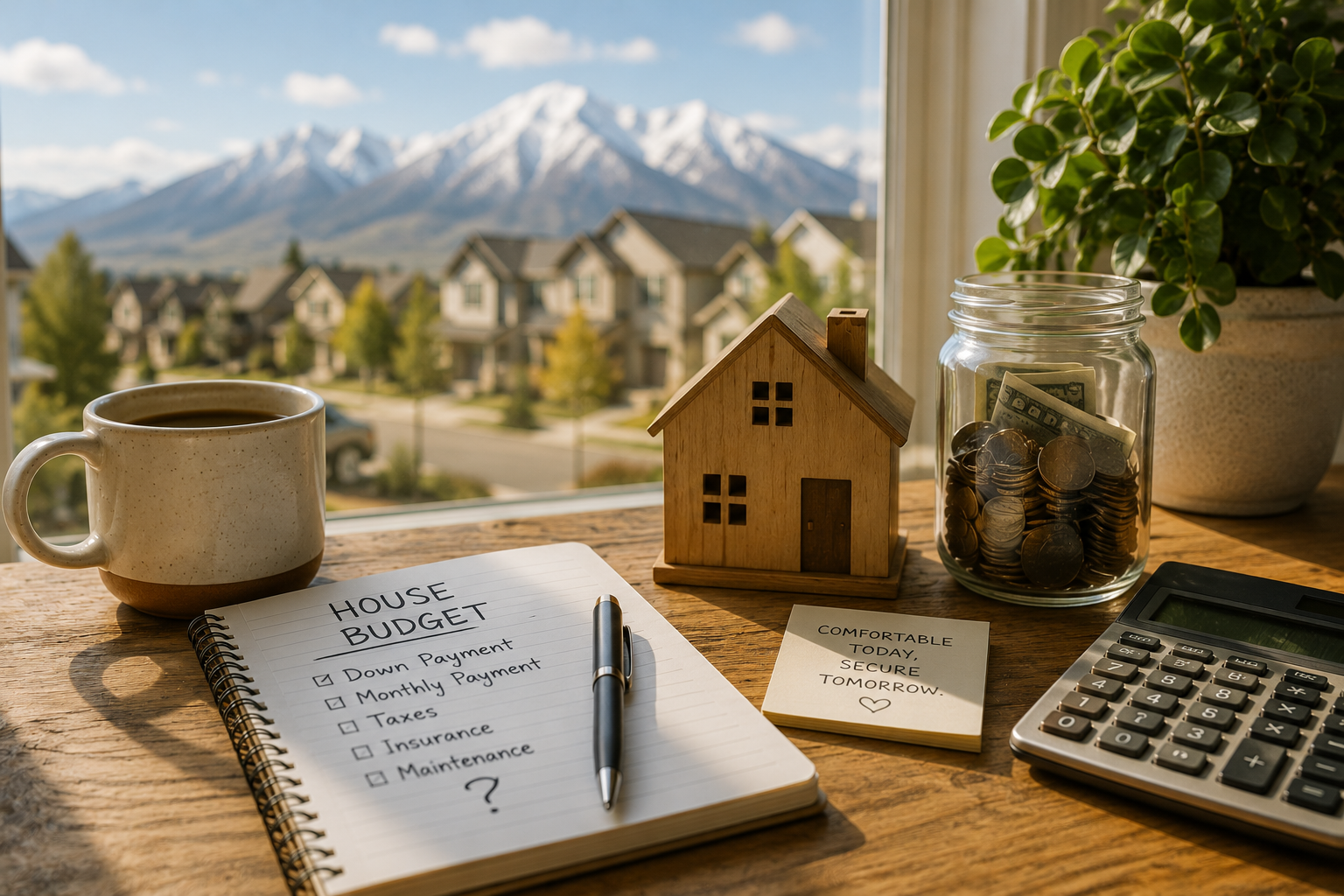
If you're thinking about buying a home in Utah, one of the first questions you're probably asking is, "How much house can I actually afford?"
It's an important question, especially as home prices, mortgage rates, property taxes and everyday expenses continue to change.
The answer isn't simply the maximum amount a lender is willing to approve. The right home price is one that fits comfortably into your overall budget while still allowing you to enjoy your life after you get the keys.
Here's what Utah home buyers should consider when deciding how much house they can afford.
Your Income Is Only Part of the Equation
Your income plays a major role in determining how much you may qualify to borrow, but lenders look at much more than your paycheck.
They'll typically consider factors including:
- Your monthly income
- Existing debt
- Credit history and credit score
- Down payment
- Employment history
- Current mortgage interest rates
- Property taxes
- Homeowners insurance
- Other recurring financial obligations
All of these factors help determine what monthly mortgage payment you may qualify for.
Understanding Your Debt to Income Ratio
One number you'll hear frequently during the mortgage process is your debt to income ratio, often called DTI.
Your DTI compares your monthly debt payments with your gross monthly income.
For example, car payments, student loans, credit cards and other debts can affect how much mortgage you qualify for even if you have a strong income.
Different loan programs have different requirements, so don't assume that existing debt automatically prevents you from buying a home.
A lender can look at your complete financial picture and tell you which options may be available.
Your Down Payment Makes a Difference
One of the biggest misconceptions about buying a home is that you always need a 20% down payment.
You don't.
Depending on your qualifications and loan program, you may be able to purchase a home with significantly less.
Conventional, FHA, VA and other mortgage programs have different down payment requirements.
A larger down payment can reduce the amount you need to borrow and potentially lower your monthly payment, but draining your entire savings account just to put more money down isn't always the best strategy.
Don't Forget About the Entire Monthly Payment
When determining how much home you can comfortably afford in Utah, don't look at principal and interest alone.
Your total housing payment may also include:
- Property taxes
- Homeowners insurance
- Mortgage insurance, if applicable
- HOA fees, if applicable
Those expenses can make two similarly priced homes have noticeably different monthly costs.
That's why it's helpful to evaluate individual properties based on their estimated total payment rather than simply shopping by listing price.
Interest Rates Affect Your Buying Power
Mortgage rates can have a major impact on affordability.
Even if home prices stay the same, a change in your interest rate can increase or decrease your monthly payment.
This is one reason buyers shouldn't rely on an online home affordability calculator alone.
A lender can use current rates and your actual financial information to provide a much more realistic price range.
Consider the Costs of Owning the Home Too
Getting approved for a mortgage and comfortably owning a home are two different things.
Your budget should leave room for expenses beyond the mortgage payment.
Depending on the property, you may eventually need to pay for things like:
- HVAC maintenance
- Roof repairs
- Landscaping
- Appliances
- Plumbing repairs
- Utility bills
- General home maintenance
If buying at the very top of your approved range leaves you with no room for unexpected expenses, a slightly less expensive home may give you much more financial flexibility.
Your Maximum Approval Doesn't Have to Be Your Budget
This is one of the most important things for buyers to remember.
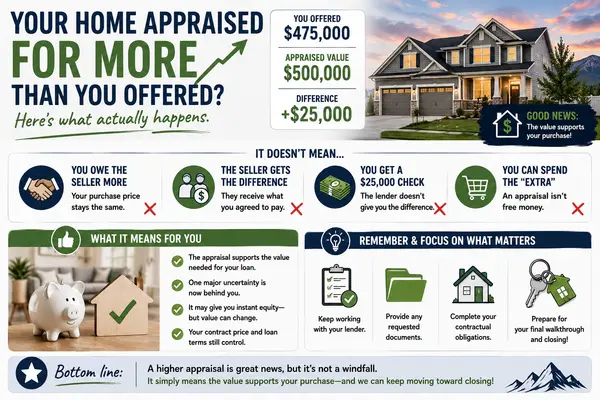
If you're approved for a $500,000 home, that doesn't mean you have to spend $500,000.
Your lender determines what you qualify to borrow based on lending guidelines.
You determine what payment actually feels comfortable for your lifestyle.
Maybe you'd rather have additional money available for travel, savings, children, hobbies or home improvements.
That's completely reasonable.
The goal isn't to buy the most expensive house possible. It's to buy the right house for you.
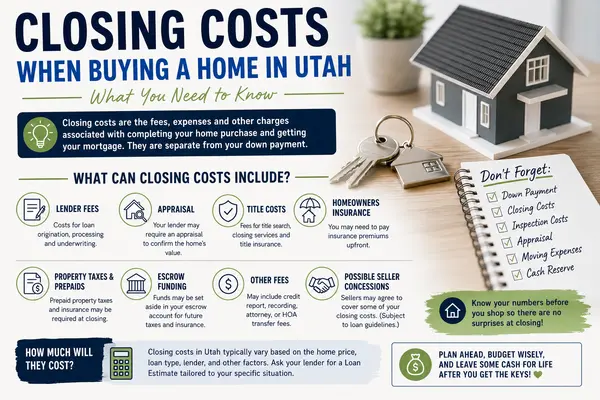
How Much Do You Need for Closing?
Your down payment isn't the only money you'll need when purchasing a home.
Buyers should also prepare for expenses such as closing costs, inspections, moving expenses and other costs associated with purchasing and moving into a property.
The exact amount varies from one transaction to another.
Knowing these numbers before you begin seriously shopping can help you avoid surprises later.
Should You Get Preapproved Before Looking at Homes?
Yes.
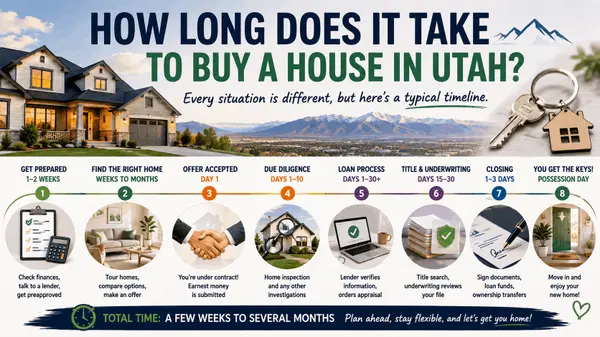
Mortgage preapproval is one of the best first steps you can take when preparing to buy a home in Utah.
A preapproval can help you understand:
- Approximately how much you can borrow
- What loan programs may work for you
- How much cash you may need
- What your estimated monthly payment could look like
- What price range makes sense for your home search
It also allows you to shop with more confidence because you already understand your financial options.
How Much House Can You Comfortably Afford?
There isn't one income level or formula that determines the perfect home price for every Utah buyer.
Two households earning exactly the same amount may have completely different budgets based on their debts, savings, lifestyle and financial goals.
That's why the best place to start isn't asking, "What's the most expensive house I can buy?"
Instead, ask:
"What home price gives me a payment I'm comfortable living with?"
That number is much more useful.
If you're considering buying a home in Northern Utah or along the Wasatch Front, working with a knowledgeable lender and experienced local real estate professional can help you understand your buying power before you start searching. With a clear budget in place, you can focus on finding a home you love without wondering whether the numbers will work.
Categories
Recent Posts