What Are Seller Concessions and How Do They Help Utah Home Buyers?
You're buying a home and you've saved money for your down payment.
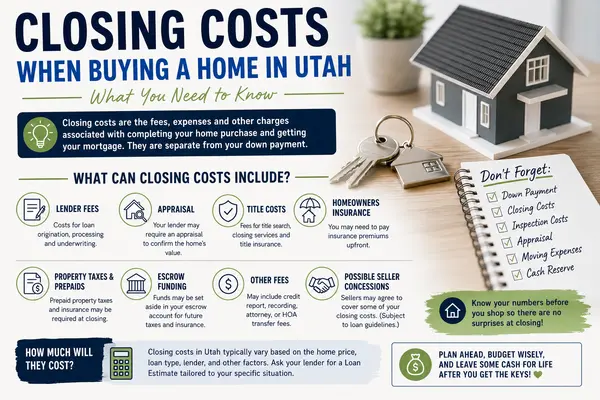
Then you start hearing about all the other costs involved in getting to closing.
Loan costs.
Title related expenses.
Prepaid taxes and insurance.
Other allowable closing costs.
Suddenly, the amount of cash you need feels a little different than you expected.
That's where seller concessions can potentially help.
Seller concessions can be a useful negotiating tool in a real estate transaction, particularly for buyers who want to preserve some of their cash instead of using all of it at closing.
But seller concessions aren't free money and there are limits on how they can be used.
Here's what Utah home buyers should know.
What Are Seller Concessions?
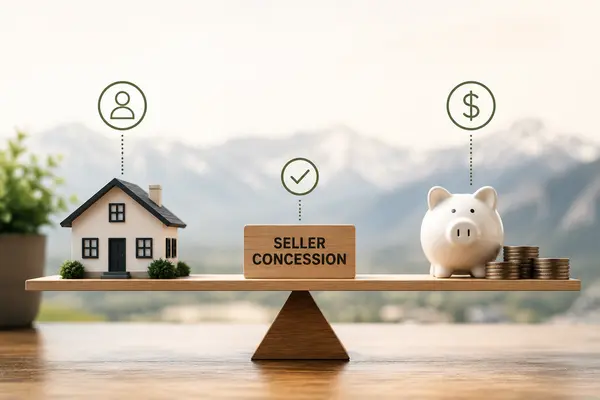
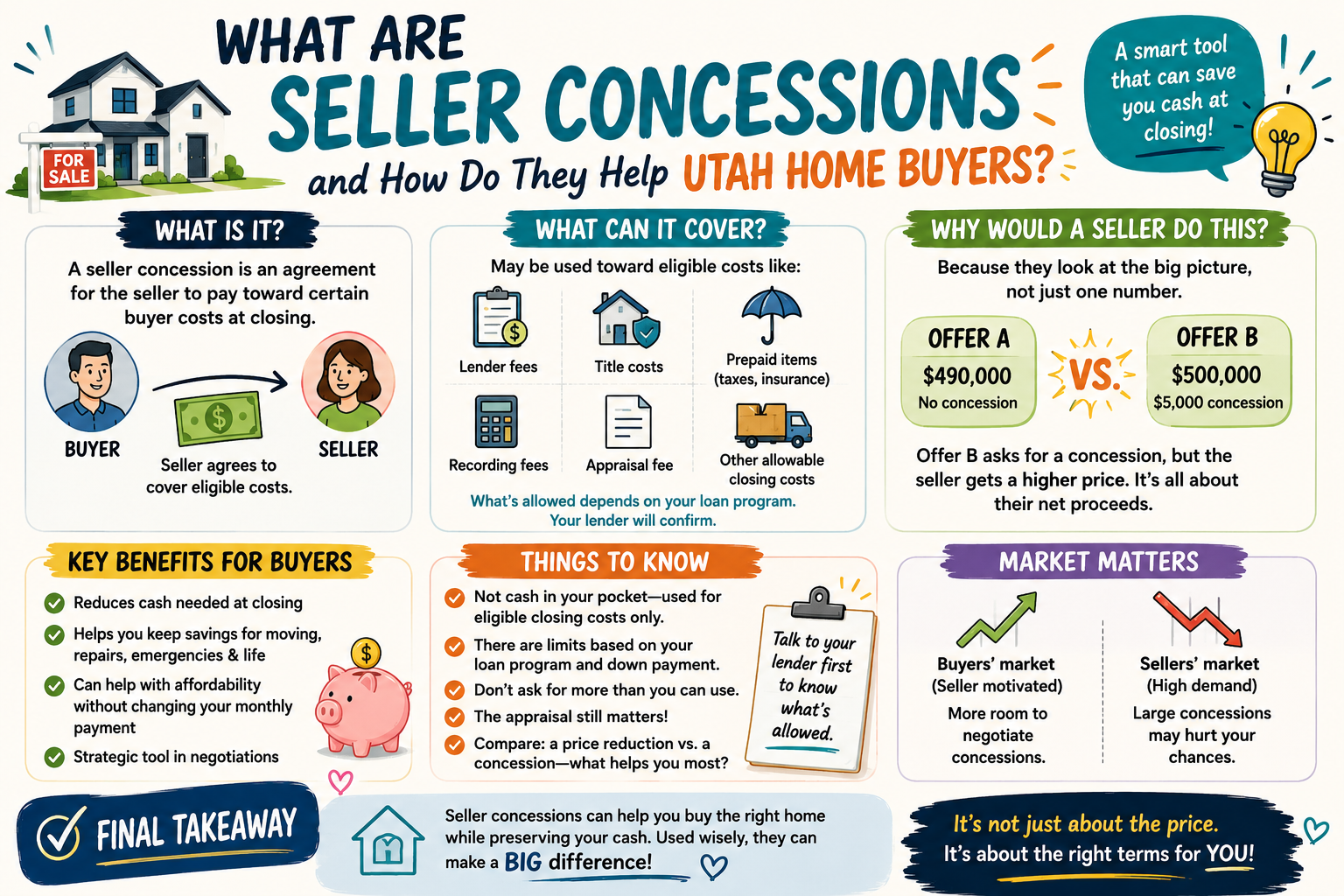
A seller concession is an agreement for the seller to contribute toward certain buyer costs associated with the transaction.
Instead of the buyer paying every eligible expense entirely out of pocket, the seller agrees to cover an amount according to the purchase contract and applicable financing requirements.
For example, a buyer might offer $500,000 for a home while requesting that the seller contribute a certain amount toward allowable closing costs.
The seller can accept, reject or negotiate that request as part of the overall offer.
Seller Concessions Don't Usually Mean Cash in Your Pocket
This is an important distinction.
If a seller agrees to a $10,000 concession, you generally don't receive a $10,000 check after closing to spend however you want.
The concession is typically applied toward eligible costs associated with your transaction.
Exactly what it can cover depends on your loan program, lender requirements and the terms of the transaction.
Your lender and settlement professionals can explain how a concession would be applied in your specific purchase.
What Can Seller Concessions Potentially Cover?
Depending on the loan and transaction, seller concessions may be applied toward certain allowable costs.
Those could potentially include eligible lender costs, title related expenses, prepaid items or other permitted closing expenses.
The rules vary depending on financing.
That's why it's important to involve your lender when deciding how much to request.
You don't want to negotiate a concession without understanding whether you can actually use the full amount.
Seller Concessions and Down Payments Are Different
A seller concession generally isn't the same thing as the seller simply making your required down payment for you.
Your loan program determines your down payment requirements and acceptable sources of funds.
Seller contributions are generally limited to eligible costs allowed under the applicable loan rules.
Talk with your lender about exactly how your funds need to be structured.
Why Would a Seller Agree to Pay a Buyer's Costs?
Because real estate is a negotiation.
A seller doesn't only care about whether they're contributing toward closing costs.
They care about the overall financial result of the offer.
Imagine a seller receives:
Offer A at $490,000 with no requested concession.
Offer B at $500,000 with a $5,000 seller concession.
Offer B is asking the seller to contribute money, but it also has a higher purchase price.
That doesn't automatically make Offer B better, but it shows why concessions need to be evaluated as part of the entire offer.
Seller Concessions Can Reduce Your Cash Needed at Closing
For many buyers, this is the biggest benefit.
Buying a home requires cash.
Even if you've saved enough for your down payment, you may still have closing costs and other expenses to consider.
And then you actually need to move into the house.
Maybe you need furniture.
Maybe you need a lawn mower.
Maybe you've got moving expenses.
Maybe you'd simply prefer to keep more money in your emergency fund.
If a seller concession covers eligible closing costs, you may be able to preserve more of your own cash.
Keeping Cash After Closing Matters
One mistake buyers can make is focusing so heavily on getting into the house that they forget what happens the day after closing.
Homes cost money.
Something will eventually need maintenance.
You may have moving expenses.
Utility deposits.
Furniture.
Tools.
Repairs.
Having cash reserves after buying a home can be incredibly valuable.
If seller concessions allow you to keep more money available while still purchasing the right home, that can be worth considering.
Can You Ask for Seller Concessions in Any Market?
You can potentially negotiate concessions, but whether a seller is likely to agree depends heavily on the market and the specific property.
If a home has been sitting on the market and the seller is motivated, you may have more negotiating leverage.
If the property received ten offers during its first weekend, asking for a large concession could make your offer less competitive.
There's no universal strategy.
We look at the property and current market conditions.
Seller Concessions Can Affect How Strong Your Offer Looks
Remember that the seller is evaluating what they receive from the transaction.
If two buyers offer the exact same purchase price but one requests a significant concession, the offers aren't financially identical.
That doesn't mean you shouldn't ask.
If you need help with closing costs, we can build that into the strategy.
But we need to understand how the request may affect the seller's decision.
Can You Offer More and Ask for a Concession?
Sometimes buyers consider increasing the purchase price while requesting a seller concession.
For example:
Instead of offering $490,000 with no concession, a buyer might offer $500,000 while requesting a $10,000 contribution toward allowable costs.
That may help the buyer reduce the cash they need at closing while potentially preserving a financial outcome the seller finds acceptable.
But there are important limitations.
The property still needs to support the transaction, financing requirements apply and the concession must comply with applicable loan rules.
Don't simply increase the price and assume the math will automatically work.
Talk with your lender and real estate agent first.
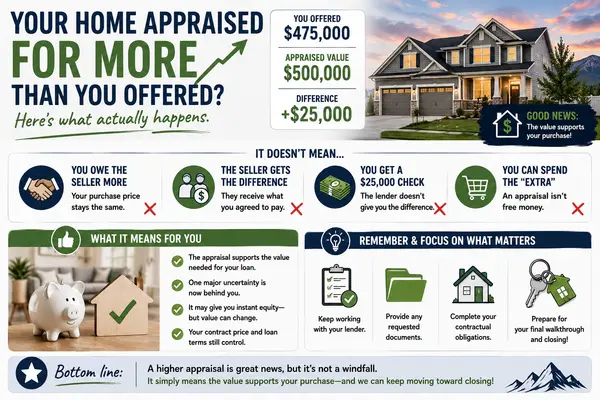
The Appraisal Still Matters
If you're financing the home, increasing the purchase price to account for a seller concession doesn't guarantee the property will appraise at that amount.
If the appraisal comes in lower than needed, you may have another negotiation to deal with.
That's why comparable sales and market value still matter when structuring an offer with concessions.
We don't want to create a financing problem while trying to solve a cash to close problem.
There Are Limits on Seller Concessions
Different loan programs can have different limits and rules regarding seller contributions.
The allowable amount may depend on factors such as the type of financing, occupancy, down payment and other loan details.
These guidelines can change.
Your lender should confirm the amount and types of concessions permitted for your specific loan.
Don't rely on a generic percentage you saw online.
Don't Ask for More Than You Can Use
Let's say you negotiate a large seller concession but your eligible closing costs are lower than the amount available.
Depending on the loan and transaction, you may not simply receive the unused difference as cash.
That's why your lender should help estimate the amount you can realistically use before the offer is written.
A bigger concession isn't automatically better if you can't use it.
Concessions Can Sometimes Be Used Strategically
Seller concessions aren't only for buyers who have very little cash.
They can also be part of a broader financing strategy.
Depending on the loan and lender, allowable funds might potentially be used toward certain costs that could affect the buyer's financing structure.
For example, there may be situations where funds can be applied toward an eligible interest rate buydown.
Whether that makes sense depends on the numbers.
Your lender can show you the available options and how they affect your payment and total cost.
Compare a Price Reduction With a Seller Concession
Imagine the seller is willing to give up $10,000.
Would you rather have the purchase price reduced by $10,000?
Or keep the price where it is and receive $10,000 toward eligible closing costs?
The answer isn't always obvious.
A $10,000 reduction in purchase price may only change the monthly mortgage payment by a certain amount.
A $10,000 concession could potentially reduce the cash you need at closing much more immediately.
Which option is better depends on your financing and financial priorities.
Have your lender show you the actual numbers.
Your Lender Should Be Part of the Conversation
Seller concessions are one of those areas where your real estate agent and lender should work together.
Your agent can help negotiate the contract.
Your lender can explain how the concession affects your loan and what expenses are eligible.
Before requesting a specific amount, make sure everybody understands the strategy.
Sellers Should Look at Their Net Proceeds
Seller concessions matter to sellers too.
If you're selling a home and receive an offer requesting a concession, don't evaluate the request in isolation.
Look at the full offer.
Purchase price.
Requested contribution.
Financing.
Contingencies.
Deadlines.
Closing date.
Other terms.
Then consider the estimated net proceeds and likelihood of successfully closing.
An offer requesting concessions can still be a very strong offer.
Seller Concessions Are a Tool, Not a Requirement
Not every buyer needs them.
Not every seller will agree to them.
And they don't make sense in every transaction.
But they can be a powerful tool when used appropriately.
For some buyers, the biggest obstacle isn't the monthly mortgage payment.
It's the amount of cash required to complete the purchase.
Seller concessions can sometimes help solve that problem.
Know the Numbers Before You Write the Offer
Before deciding whether to request seller concessions, ask your lender:
How much cash will I approximately need to close?
What costs could a seller contribution cover?
What's the maximum allowable contribution for my loan?
How much of a concession could I realistically use?
Would a concession or price reduction benefit me more?
Then talk with your real estate agent about how that request fits into the current market and the specific property.
The Best Offer Strategy Is Personal
There's no rule that says every Utah home buyer should ask for seller concessions.
There's also no rule that says asking for them makes your offer weak.
It depends on your finances, the property, the market and the seller.
If you're buying a home in Northern Utah or anywhere along the Wasatch Front, don't focus only on the purchase price.
Look at the entire financial picture.
Sometimes negotiating the right terms can be just as valuable as negotiating the right price.
Categories
Recent Posts