What Is Earnest Money? A Simple Guide for Home Buyers
If you're buying a home, one of the first terms you'll hear after your offer is accepted is earnest money.
For many buyers, especially first-time buyers, the name alone can sound intimidating.
Do you lose it if something goes wrong?
Is it another closing cost?
Why do sellers require it?
The good news is that earnest money is much simpler than it sounds. Once you understand how it works, you'll see it's a normal part of the home buying process.
What Is Earnest Money?
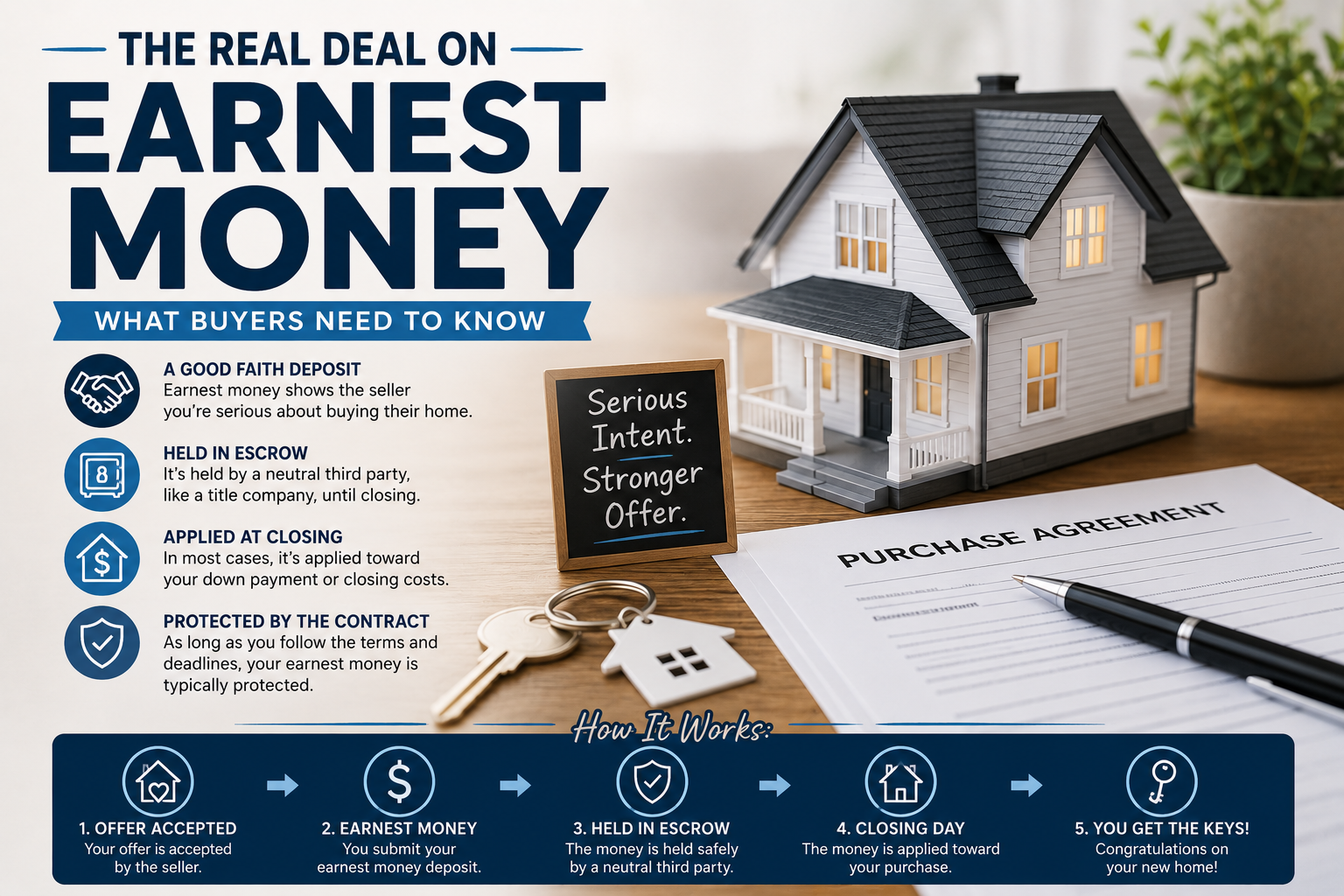
Earnest money is a good faith deposit a buyer provides after their offer has been accepted.
Think of it as a way of telling the seller,
"I'm serious about buying your home."
When a seller accepts your offer, they stop actively marketing the property and begin working toward closing with you. Earnest money helps demonstrate your commitment to completing the purchase.
It's not a penalty or an extra fee. It's simply part of the transaction that helps build trust between both parties.
Where Does the Earnest Money Go?
A common misconception is that the seller immediately receives the earnest money.
That's not how it works.
Instead, the funds are typically held by a neutral third party, such as the title company, until closing.
If everything goes according to plan, the earnest money is usually applied toward your down payment or your closing costs.
In other words, you're generally not paying additional money. You're simply putting a portion of your home purchase funds into the transaction earlier.
Can You Lose Your Earnest Money?
This is one of the most common questions buyers ask.
The answer is:
Sometimes, but not simply because you change your mind.
Real estate contracts include important deadlines and contingencies that help protect both buyers and sellers.
If the transaction doesn't move forward for a reason covered by the contract and you've met the required deadlines, your earnest money is often protected.
Every contract is different, which is why it's important to understand your purchase agreement and work with an experienced real estate professional who can guide you through the process.
Does More Earnest Money Make Your Offer Stronger?
It can.
When sellers review multiple offers, they're evaluating much more than just the purchase price.
They may also consider:
-
Financing strength
-
Earnest money deposit
-
Inspection contingencies
-
Appraisal contingencies
-
Closing timeline
-
Overall likelihood of a successful closing
A larger earnest money deposit can demonstrate confidence and commitment, but it's only one piece of a strong offer.
The best offer isn't always the one with the highest earnest money deposit.
It's the offer that gives the seller the greatest confidence that the transaction will successfully close.
Why Earnest Money Matters
Earnest money benefits both buyers and sellers.
For sellers, it provides reassurance that the buyer is committed to the purchase.
For buyers, it helps strengthen an offer while moving one step closer to homeownership.
Understanding how earnest money works can make the buying process feel much less intimidating.
Frequently Asked Questions
Is earnest money the same as a down payment?
No. Earnest money is a good faith deposit made early in the transaction. If the sale closes successfully, it's typically credited toward your down payment or closing costs.
Who holds the earnest money?
In most transactions, the earnest money is held by a neutral third party, such as the title company, until closing.
Can earnest money help my offer stand out?
Yes. While it's only one factor sellers consider, a strong earnest money deposit can demonstrate that you're serious about purchasing the home.
Do all home purchases require earnest money?
While earnest money is common in most real estate transactions, the amount and specific requirements can vary depending on the market, the contract, and the agreement between the buyer and seller.
Buying a Home in Utah?
Whether you're purchasing your first home or your next home in Salt Lake County, Davis County, Weber County, Utah County, or anywhere along the Wasatch Front, understanding earnest money is an important part of making a confident offer.
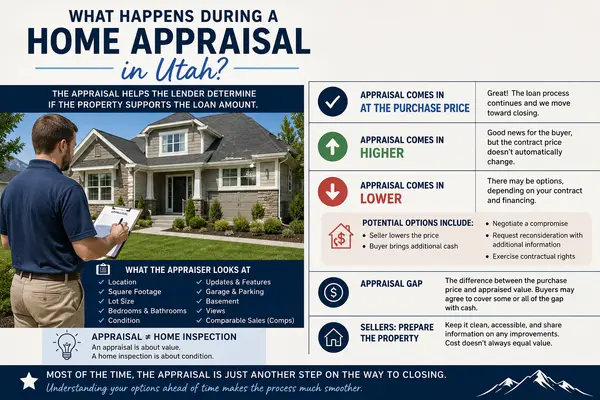
At Graham Allen Group, we help buyers understand every step of the home buying process, from financing and earnest money to inspections, appraisals, and closing day.
If you're thinking about buying a home and have questions about earnest money or the buying process, we'd love to help.
Recent Posts