
What to Look for During a Final Walkthrough Before Closing
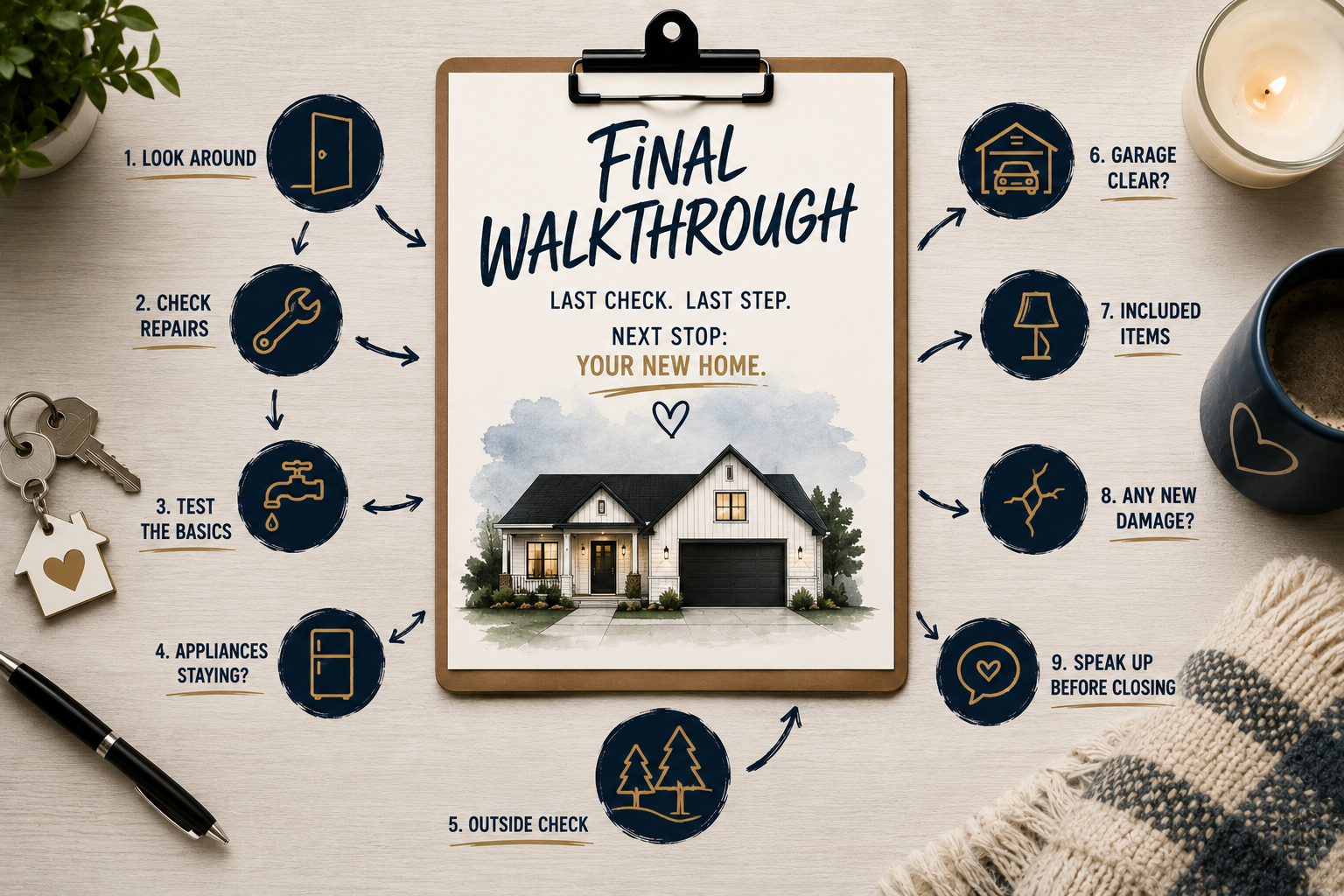
You're almost there.
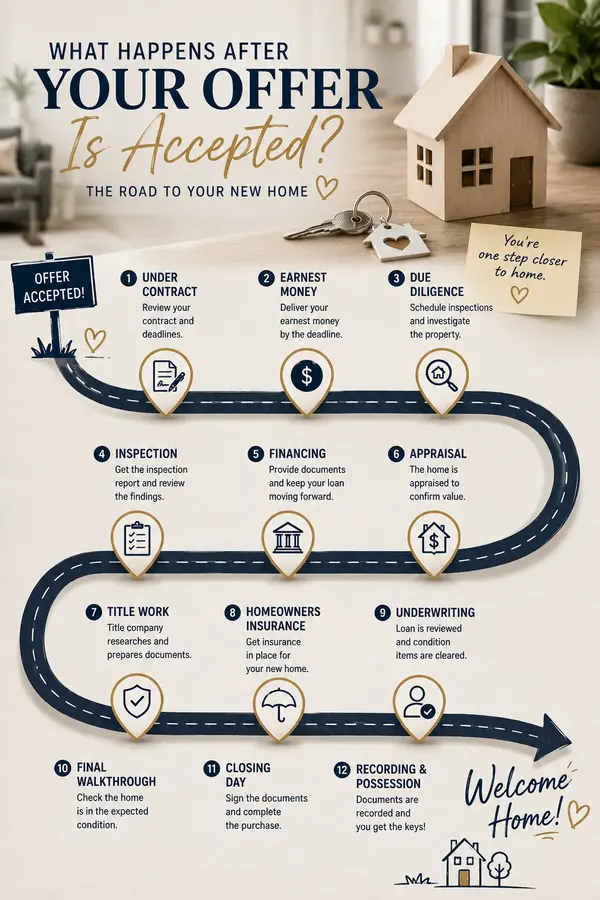
You've made the offer, completed your due diligence, worked through financing and you're getting ready to close on your new home.
Before you sign the final paperwork and get the keys, there's usually one more important visit to the property.
The final walkthrough.
A final walkthrough isn't another home inspection and it isn't the time to renegotiate the entire purchase.
It's an opportunity to make sure the property is generally in the condition you're expecting based on your contract and that agreed upon items haven't disappeared or changed before closing.
Here's what Utah home buyers should pay attention to during a final walkthrough.
What Is a Final Walkthrough?
A final walkthrough is typically a buyer's opportunity to visit the property shortly before closing.
The purpose is generally to confirm that the home's condition is consistent with what the buyer expects under the purchase agreement.
You're looking for unexpected changes that may have occurred since you last saw the property.
Maybe the seller has moved out.
Maybe agreed upon repairs were supposed to be completed.
Maybe certain appliances or fixtures were included with the sale.
This is your opportunity to take another look before completing the purchase.
A Final Walkthrough Is Not Another Inspection
This is an important distinction.
Your due diligence period is when you investigate the property and determine whether you're comfortable moving forward according to the terms of your contract.
The final walkthrough generally isn't designed to reopen every issue you previously discovered.
You're not bringing your original inspection report and starting negotiations from scratch.
Instead, you're checking whether the property is in the expected condition and whether anything significant has changed.
Make Sure the Seller's Belongings Are Gone
If the seller is supposed to have moved out before you receive possession, look around carefully.
Check:
- Closets
- Cabinets
- Garage
- Basement
- Attic access areas when appropriate
- Storage sheds
- Backyard
- Side yards
You don't want to get the keys and discover the seller left you an entire garage full of things they didn't want to move.
Unless the contract says certain personal property is staying, the home should generally be left according to the agreed terms.
Look for New Damage
Moving furniture out of a house can sometimes reveal or create damage.
Look for anything that appears to have changed since you last visited.
Maybe there's a new hole in a wall.
A door was damaged during the move.
Flooring was scratched.
Something leaked.
A window was broken.
You're not trying to identify every tiny cosmetic imperfection.
You're looking for meaningful changes that weren't there before.
Check Agreed Upon Repairs
If the seller agreed to complete certain repairs before closing, review those items.
Depending on the repair, you may have receipts, invoices or other documentation.
During the walkthrough, look at the areas where work was supposed to be completed.
If something appears unfinished or different from what was agreed upon, talk with your real estate agent before closing.
Test the Lights
Flip the light switches.
This takes almost no time and can reveal whether something isn't functioning as expected.
You don't need to conduct an electrical inspection.
You're simply checking basic operation.
If a fixture isn't working, it could be as simple as a burned out bulb.
But if something seems wrong, make note of it.
Check the Plumbing
Turn on faucets.
Check hot and cold water when appropriate.
Flush toilets.
Look underneath sinks for obvious leaks.
Run showers or tubs briefly.
Again, this isn't a plumbing inspection.
You're looking for anything significant that appears to have changed since your previous visits.
Check Appliances That Are Included
If appliances are included with the sale according to your contract, make sure they're still there.
Depending on the circumstances, you may also check basic operation.
That could include:
- Refrigerator
- Range
- Dishwasher
- Microwave
- Washer
- Dryer
- Other included appliances
Your contract determines what is supposed to remain with the property.
Don't assume an appliance is included simply because it was there during the showing.
Test the HVAC
Depending on the weather and circumstances, check that the heating or cooling system appears to be operating.
You're not performing a full HVAC evaluation.
That should have happened during your due diligence if it was important to you.
You're simply making sure the system hasn't obviously stopped working between inspection and closing.
Check Windows and Doors
Take a quick look at windows and exterior doors.
Make sure there isn't obvious new damage.
Check that doors are present and functioning as expected.
If there were specific window or door repairs agreed upon, pay particular attention to those areas.
Look in the Garage
The garage deserves more attention than buyers sometimes give it.
Make sure the seller has removed belongings as required.
Check whether garage door openers or remotes that are supposed to remain are present.
If the garage door was previously functioning, you may want to confirm basic operation.
Also look for damage that may have occurred while the seller was moving out.
Check the Exterior
Walk around the outside of the property when possible.
Look for significant changes.
Did something happen to the fence?
Is there new exterior damage?
Are items that were supposed to remain still there?
Has a large amount of personal property been left behind?
If weather or snow limits what you can see, understand that your ability to evaluate certain areas may be limited.
That's particularly relevant during Utah winters.
Make Sure Included Items Are Still There
This is where the contract becomes especially important.
Certain fixtures generally remain with a property, while personal property may need to be specifically included in the agreement.
If something was supposed to stay, make sure it's still there.
That might include specifically agreed upon appliances or other items.
Don't rely on memory.
Refer back to the contract.
What About TV Mounts, Shelving and Other Attached Items?
Questions sometimes come up about items attached to the property.
What stays?
What goes?
The answer can depend on the item and the terms of the contract.
This is why buyers and sellers should address potentially confusing items when negotiating the purchase rather than waiting until moving day.
If there's something you specifically want included, make sure it's properly addressed in the agreement.
Check That the Home Hasn't Been Altered
Sometimes sellers remove something they didn't realize was expected to remain.
Maybe a fixture is missing.
Maybe shelving was removed.
Maybe landscaping was changed.
Compare what you're seeing with the property condition and terms you agreed to.
If something important has changed, bring it up before closing.
What if You Find a Problem?
Don't panic.
And don't automatically assume the transaction is over.
Tell your real estate agent immediately.
The appropriate response depends on the issue and your contract.
A missing garage door remote is very different from discovering significant new water damage.
Your agent can help determine what needs to happen next and whether other professionals need to become involved.
Don't Wait Until After Closing to Speak Up
If you notice a concern during the final walkthrough, address it before completing the transaction when possible.
Once closing has occurred, your options may be different.
This is one reason the final walkthrough matters.
It's your last opportunity to look at the property before ownership transfers.
Bring Your Contract and Repair Information
You don't necessarily need to walk through the house holding a giant stack of paperwork.
But have access to the important information.
Know:
- What personal property was included
- What repairs were agreed upon
- What items were excluded
- What condition was expected
- When possession occurs
Your real estate agent can help you review these details before the walkthrough.
Don't Rush
You're excited.
Closing is right around the corner.
You may already have movers scheduled.
But don't race through the walkthrough just because you want the keys.
Take enough time to look around.
Open the closets.
Check the garage.
Turn on the faucets.
Look at the repairs.
Walk around the exterior.
This is a major purchase.
Give the final walkthrough the attention it deserves.
Your Final Walkthrough Is the Last Check Before Closing
The final walkthrough isn't supposed to be scary.
Most of the time, everything is exactly where it should be and you're one step closer to getting the keys.
But if something has changed, it's much better to discover it before closing than after you've moved in.
If you're buying a home in Northern Utah or anywhere along the Wasatch Front, use your final walkthrough to slow down and take one last look.
Check the condition.
Confirm the agreed upon items.
Make sure repairs were addressed.
Then, if everything looks right, it's time for the part you've been waiting for.
Closing day.
Recent Posts