
7 Things That Can Lower Your Home’s Value Without You Realizing It
Your home may be one of your biggest financial assets, so naturally, you want it to hold as much value as possible.
Most homeowners know that major problems like a damaged roof or foundation issues can affect a home's value. But some of the things that turn buyers away are much less obvious.
If you're thinking about selling your home in Utah, here are seven things that could be hurting your home's value without you realizing it.
1. Deferred Maintenance
Small maintenance issues have a way of becoming big ones.
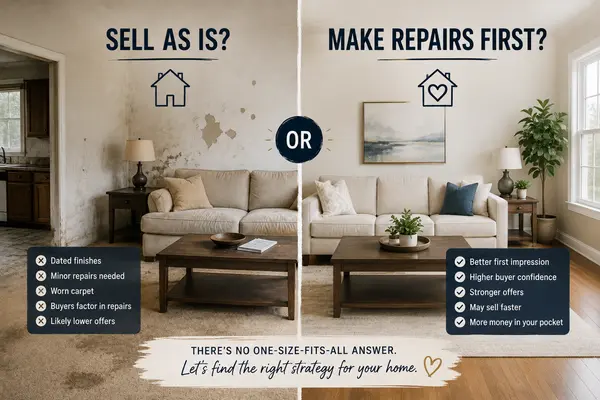
A dripping faucet, cracked caulking, damaged trim or a door that doesn't close correctly might not seem important when you live with it every day. To a potential buyer, several small problems can create the impression that the home hasn't been maintained.
Buyers may start wondering what else needs attention that they can't see.
Taking care of minor repairs before listing can help your home feel well cared for from the moment buyers walk through the door.
2. Poor Curb Appeal
Buyers begin evaluating your home before they ever step inside.
Overgrown landscaping, weeds, peeling exterior paint, dirty walkways and a neglected front entrance can immediately affect a buyer's perception of the property.
You don't necessarily need expensive professional landscaping.
Simple improvements like trimming bushes, removing weeds, cleaning the exterior, refreshing mulch and making the entrance welcoming can dramatically improve a home's first impression.
3. Too Much Clutter
Your belongings don't technically change your home's market value, but they can change the way buyers perceive its value.
Crowded rooms often appear smaller.
Overfilled closets can make buyers question whether the home has enough storage. Kitchen counters covered with appliances can make a perfectly good kitchen feel cramped.
Before selling, removing some furniture and personal belongings can help buyers see the actual space they're considering purchasing.
4. Strong Odors
Homeowners often become accustomed to the everyday smells in their own homes.
Buyers haven't.
Pet odors, cigarette smoke, strong cooking smells, mildew and even heavily scented air fresheners can negatively affect a showing.
Instead of trying to cover odors with fragrance, identify the source and address it before listing.
A home that smells clean and neutral allows buyers to focus on the property itself.
5. Outdated or Inconsistent DIY Projects
DIY improvements can be a great way to personalize your home, but unfinished or poorly executed projects can concern buyers.
Uneven flooring, incomplete trim, visible patchwork, unusual paint choices or projects that look unfinished may leave buyers estimating how much it will cost to redo the work.
Before listing, walk through your home with fresh eyes and finish any projects that have been sitting on the "we'll get to that eventually" list.
6. Dark or Poorly Lit Rooms
Lighting can completely change how buyers experience a home.
Dark rooms may appear smaller and less inviting, even when they're actually spacious.
Before showings, open curtains and blinds, clean the windows and make sure every light fixture has working bulbs.
Replacing outdated fixtures or using consistent bulb temperatures throughout the home can also make the property feel brighter and more updated without requiring a major renovation.
7. Over Improving for the Neighborhood
Yes, you can actually improve a home too much.
If you spend heavily on luxury renovations that aren't typical for your neighborhood, you may not recover the full cost when you sell.
Real estate values are influenced heavily by comparable nearby properties.
A $100,000 renovation doesn't automatically add $100,000 to your home's market value.
Before making major improvements with resale value in mind, it's worth talking with a local real estate professional about which upgrades buyers in your area are actually willing to pay for.
What Actually Determines Your Home’s Value?
While condition matters, your home's value isn't determined by one feature alone.
Real estate professionals consider factors such as:
- Location
- Square footage
- Lot size
- Condition
- Updates
- Number of bedrooms and bathrooms
- Comparable recent sales
- Current inventory
- Buyer demand
- Overall market conditions
That's also why online home value estimates can only tell part of the story.
Two homes with similar square footage in the same neighborhood can sell for different amounts based on their condition, layout, location within the neighborhood and how well they are presented to buyers.
Small Improvements Can Have a Big Impact
Preparing your home for sale doesn't necessarily mean remodeling the kitchen or replacing every floor.
Often, the smartest improvements are much simpler.
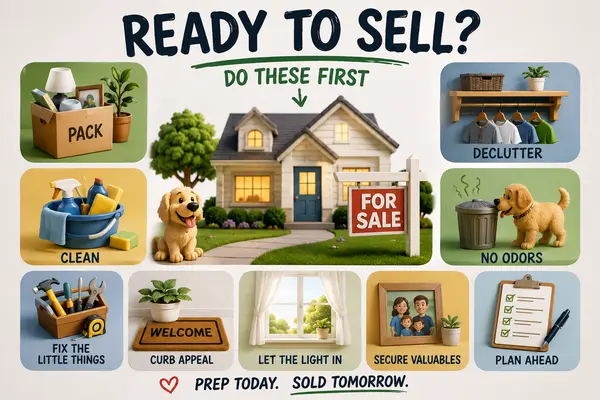
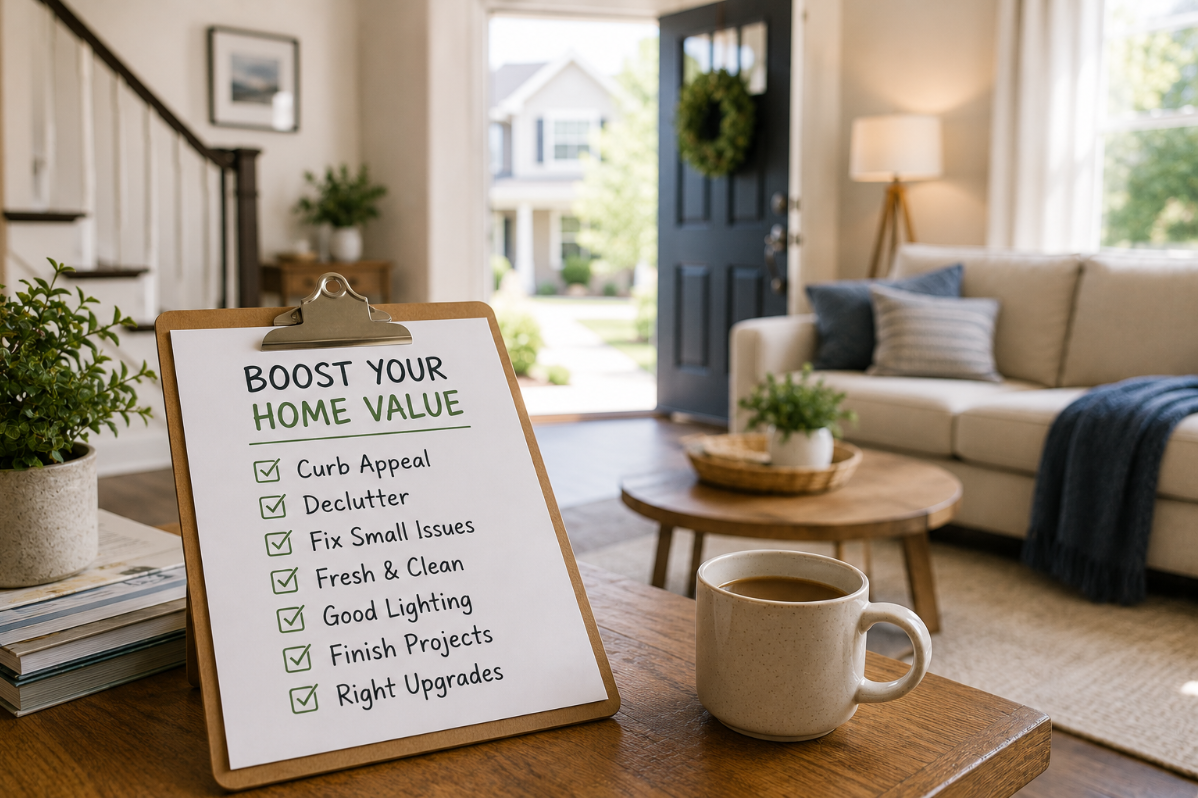
Fix what's broken. Clean what needs cleaning. Reduce clutter. Improve the lighting. Take care of the yard. Finish the projects you've been putting off.
The goal is to remove distractions so buyers can focus on what they love about your home.
Before You Spend Thousands, Find Out What Matters
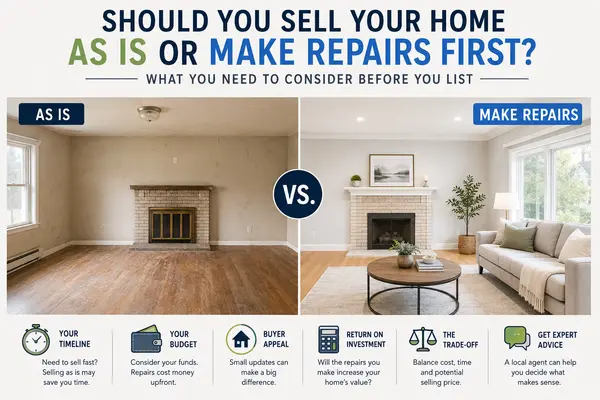
One of the easiest mistakes sellers can make is assuming they need to renovate everything before putting their home on the market.
You may not.
If you're considering selling a home in Northern Utah or along the Wasatch Front, having a real estate professional evaluate the property before you begin making improvements can help you prioritize your time and money.
Sometimes a few strategic changes can make a much bigger difference than an expensive renovation.
The goal isn't to make your home perfect.
It's to make sure you're not unintentionally leaving value on the table.
What If Buyers Are Seeing the Home but Not Making Offers?
This is where showing activity and feedback become especially useful.
If you're receiving very few showings, the issue may involve price, marketing or how the property appears online.
If you're getting plenty of showings but consistently receiving no offers, buyers may be telling you something different.
Repeated feedback about the same concern is worth paying attention to.
One buyer's opinion is simply one opinion.
When five buyers mention the same thing, you've identified a pattern.
Your Online Presentation Matters Too
Today's first showing usually happens online.
Buyers may scroll through listing photos before deciding whether your home is worth seeing in person.
Professional photography, thoughtful staging and a strong listing presentation can dramatically affect whether someone schedules that showing.
You may have a beautiful home, but buyers can't appreciate it if the online presentation doesn't convince them to walk through the door.
You Don't Have to Make Your Home Perfect
Most buyers aren't expecting perfection.
They're trying to determine whether the home feels like a good value and whether they can picture themselves living there.
Often, small improvements can completely change that experience.
Clean the home.
Reduce clutter.
Improve the lighting.
Handle obvious repairs.
Make the entrance inviting.
And most importantly, make sure the home is positioned appropriately for the current market.
If you're preparing to sell in Northern Utah or anywhere along the Wasatch Front, getting an objective opinion before your home hits the market can be incredibly valuable.
You've seen your home thousands of times.
Your future buyer hasn't.
Making sure their first impression is a good one can make all the difference.
Categories
Recent Posts