Should You Buy a New Construction Home or an Existing Home?
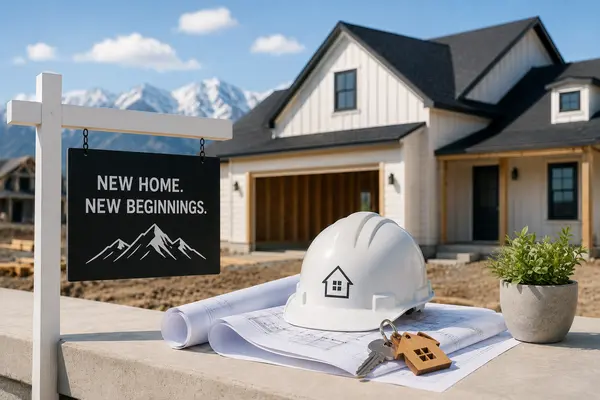
Brand new house.
Fresh paint.
New appliances.
Nobody has ever used the shower, cooked dinner in the kitchen or put a single nail in the wall.
New construction sounds pretty great.
But then you tour an existing home in an established neighborhood with mature trees, a finished yard and upgrades that would cost thousands of dollars to add to a new build.
Now the decision gets a little harder.
If you're buying a home in Utah, there's no universal answer to whether new construction or an existing home is better.
They offer very different buying experiences.
Here's what you should consider before deciding which one is right for you.
The Biggest Appeal of New Construction
Let's start with the obvious.
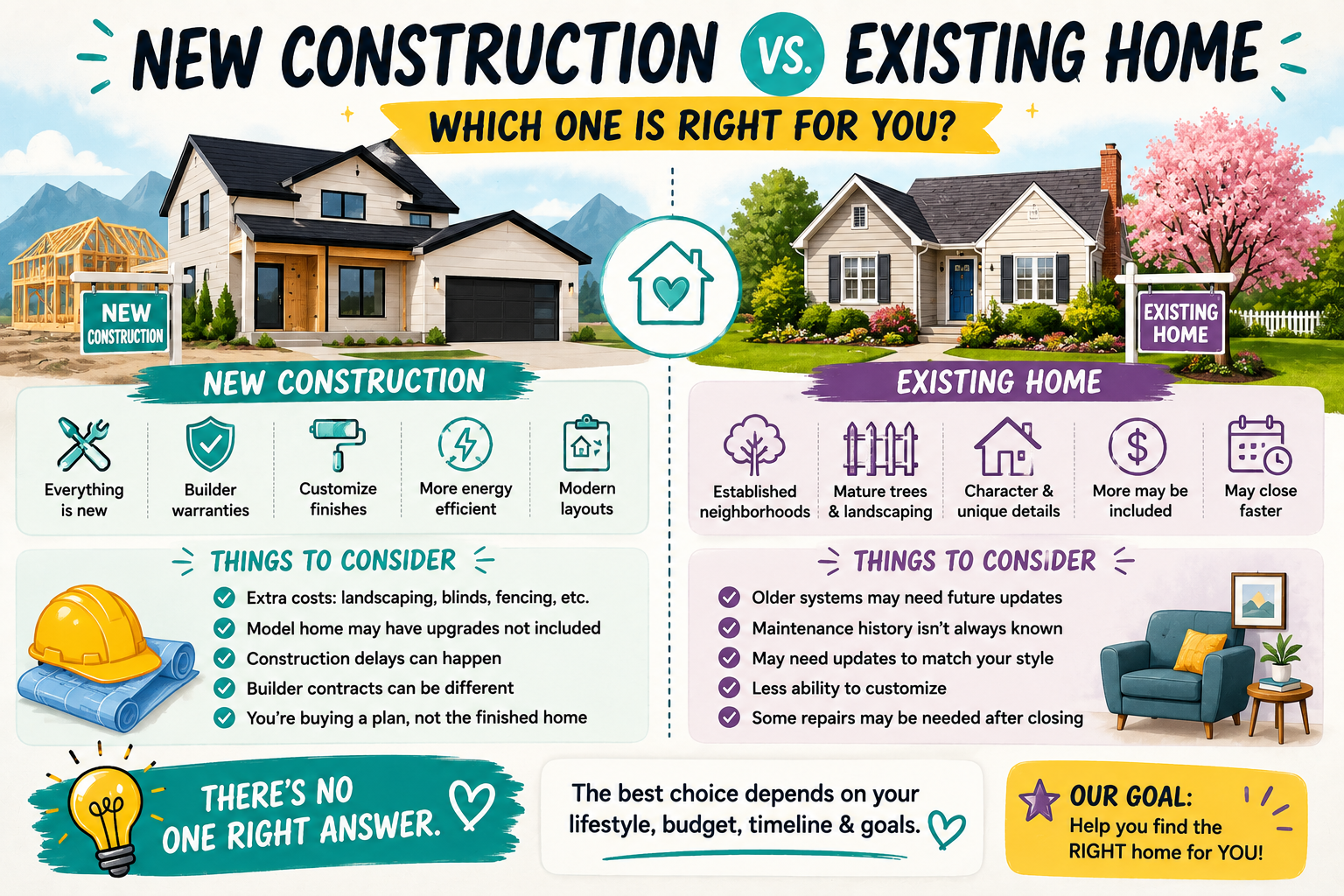
Everything is new.
Depending on the home, you may have new roofing, HVAC, plumbing, electrical systems, appliances, flooring and finishes.
For buyers who don't want to immediately worry about replacing older components, that's attractive.
You may also have builder warranties or manufacturer warranties that apply to certain parts of the property.
Make sure you understand exactly what is and isn't covered and for how long.
Existing Homes Can Offer More Character
Not everybody wants a brand new house.
Existing homes may offer architectural details, layouts, landscaping and neighborhood characteristics that aren't as common in newer developments.
Maybe you love mature trees.
Maybe you want a larger lot.
Maybe you prefer an established neighborhood.
Maybe you just don't want your house to look like every fifth house down the street.
New isn't automatically better.
It's simply different.
Don't Compare Only the Purchase Prices
Imagine a new construction home and an existing home are both listed around $500,000.
At first glance, they seem financially comparable.
But what's actually included?
The existing home might already have:
- A finished basement
- Window coverings
- Landscaping
- Fencing
- A deck or patio
- Storage
- Upgraded appliances
- Garage shelving
- Other improvements
The new construction property may or may not include those things.
Before deciding which home costs less, compare what you're actually getting.
New Doesn't Always Mean Completely Finished
This surprises some buyers.
You buy a brand new house and then realize you still need to spend money after moving in.
Depending on the property and builder, you might need to budget for things such as landscaping, fencing, window coverings, additional lighting or other features.
Ask what's included before you assume.
A model home can also contain upgrades that aren't included in the base price of the home you're considering.
The Model Home Is Designed to Impress You
Model homes are good at their job.
They're beautifully decorated.
The furniture is perfectly sized.
Everything coordinates.
And there may be upgrades everywhere.
When touring a model, ask which features are standard and which are upgrades.
That kitchen you love may look very different at the advertised starting price.
New Construction Can Offer Customization
Depending on how early you're purchasing in the construction process, you may have opportunities to select certain finishes or options.
Flooring.
Cabinets.
Countertops.
Fixtures.
Paint.
Other design choices.
For some buyers, choosing the details is one of the biggest advantages of building new.
For others, it's fifty decisions they absolutely don't want to make.
Know yourself.
Existing Homes Let You See What You're Buying
One advantage of an existing home is that it's already there.
You can walk through it.
You can see the actual view.
You can experience the neighborhood.
You can see how the yard is positioned.
You know what the surrounding homes look like.
With a home that hasn't been completed yet, some of those details may be harder to visualize.
Renderings and floor plans are useful.
They're not the same as standing in the finished home.
Construction Timelines Can Change
If you're buying a home that's still being built, don't assume the estimated completion date is guaranteed unless your contract provides otherwise.
Construction can be affected by materials, labor, inspections, weather and other factors.
If you have a lease ending or another home to sell, consider what happens if the completion timeline changes.
Your contract will determine the parties' obligations.
Existing Homes May Close Faster
A completed resale home can often move toward closing without waiting for construction to finish.
That doesn't mean every existing home closes quickly.
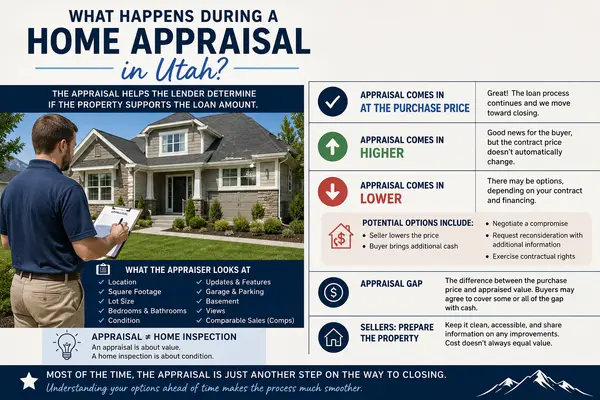
Financing, appraisal, title work and other transaction requirements still need to happen.
But if your goal is to move relatively soon, a completed home may provide a more predictable timeline than a property that's months away from completion.
What About Inspections on New Construction?
Yes, buyers should still think about inspections.
New doesn't mean perfect.
Homes are built by people and mistakes can happen.
Depending on the stage of construction, buyers may consider inspections at appropriate points in the process.
Your rights to inspect and how inspections are handled depend on your contract and builder.
Don't assume a brand new home doesn't need another set of eyes simply because nobody has lived there.
Builder Contracts Can Be Different
Buying new construction may involve a builder's purchase agreement rather than the contract you might see in a typical resale transaction.
Read it carefully.
Deadlines, deposits, financing requirements, completion provisions, warranties and buyer protections can differ.
Don't assume the terms work exactly like the last resale contract you saw.
Understand the agreement you're actually signing.
Do You Need a Real Estate Agent for New Construction?
The sales representative at the model home works for the builder.
They're there to sell the builder's homes.
A buyer may choose to have their own real estate agent representing their interests in the transaction.
If you want representation, it's a good idea to talk with your agent before you start visiting new construction communities.
Builders may have specific policies regarding agent registration and representation.
Builder Incentives Can Be Attractive
Builders may offer incentives depending on the community and market conditions.
That could potentially involve closing cost contributions, financing incentives, upgrades or other offers.
But look at the entire financial picture.
An incentive isn't automatically a good deal simply because the word "free" appears next to it.
Compare the purchase price, loan terms, costs and what you're actually receiving.
Pay Attention to Preferred Lender Incentives
Some builders may offer incentives for using an affiliated or preferred lender.
Those incentives can be valuable.
But buyers should still understand the loan they're receiving.
Compare interest rates, fees, loan terms and total costs.
The biggest advertised incentive isn't necessarily the lowest overall cost.
Existing Homes Can Have Their Own Advantages in Negotiation
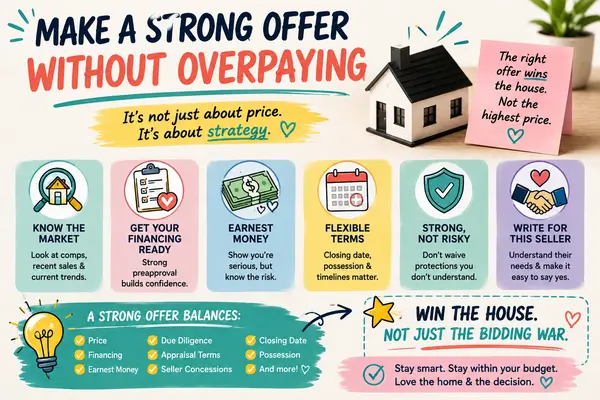
Depending on market conditions, an individual seller may be willing to negotiate on price, closing costs, repairs, possession or other terms.
Builders may negotiate differently.
Some may prefer offering incentives rather than reducing the recorded purchase price.
Neither approach is automatically better.
We want to understand where the actual value is.
Consider the Neighborhood, Not Just the House
With new construction, you're sometimes buying into a neighborhood that's still being created.
There may be additional phases.
Future homes.
Ongoing construction.
Changing traffic patterns.
Amenities that aren't completed yet.
With an established neighborhood, you can generally see more of what already exists.
Neither is necessarily better.
But you should know what you're choosing.
Think About the Yard
This one matters in Utah.
If you're imagining summer evenings in a beautiful backyard, figure out whether that backyard actually exists yet.
Established homes may already have grass, mature trees, sprinklers, fencing and patios.
With some new construction, creating the finished yard you want may become your next major project.
Get realistic estimates before deciding it's "just landscaping."
Energy Efficiency May Be Better in Newer Homes
New homes may include newer building materials, insulation, windows, appliances and mechanical systems designed around more current standards.
That can potentially affect energy use and comfort.
But don't assume every new home will automatically have dramatically lower utility costs.
Ask about the specific features included in the property you're considering.
Maintenance Is Different, Not Gone
One appeal of new construction is potentially having fewer immediate repairs.
But new homes still require maintenance.
Filters still need to be changed.
Gutters still need attention.
Caulking doesn't last forever.
Landscaping needs care.
And new homes can still develop issues.
You're buying a new house, not a maintenance free house.
Existing Homes Have History
With an existing home, you may have more information about how the property has performed over time.
Seller disclosures, maintenance records when available and inspections may help you understand the home's history.
Of course, older homes may also have aging components that eventually need replacement.
A ten year old roof and a brand new roof don't create the same future maintenance picture.
Think About Your Budget After Closing
Don't use every available dollar just to get into the house.
If you buy new construction and immediately need fencing, blinds and landscaping, you need money for that.
If you buy an existing home with an aging furnace and roof, you may want reserves for future repairs.
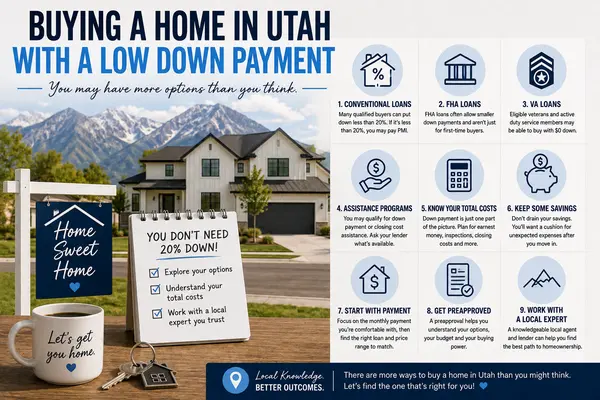
The purchase price is only one part of homeownership.
Think about what the property could require after closing too.
So Which One Is Better?
Neither.
The better choice depends on you.
New construction may be a great fit if you value newer systems, modern layouts, customization and potentially fewer immediate updates.
An existing home may be a better fit if you value mature neighborhoods, established landscaping, included improvements, character or a location where new construction isn't available.
Don't choose based on which one sounds better on paper.
Tour both.
Compare the actual costs.
Look at the neighborhoods.
Think about your timeline.
Then decide which type of home fits the way you actually want to live.
You Don't Have to Pick a Side Before You Start
Some buyers begin their search convinced they want new construction and end up falling in love with an existing home.
Others swear they want an established neighborhood until they walk into a new home with exactly the layout they've been trying to find.
That's okay.
You don't need to decide before you start looking.
If you're buying a home in Northern Utah or anywhere along the Wasatch Front, explore your options.
The goal isn't to buy the newest house or the oldest house.
It's to find the right house for you.
Recent Posts